


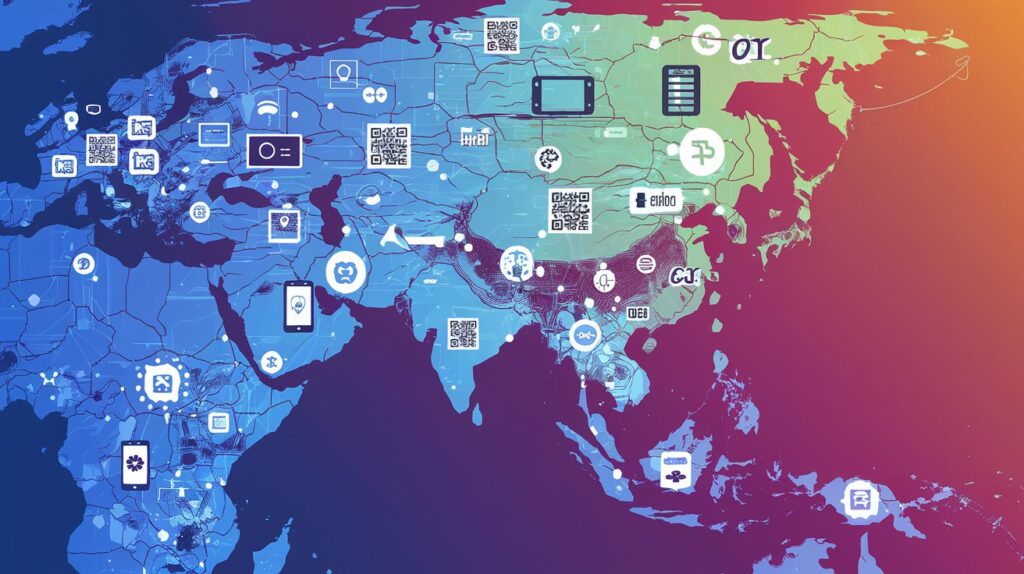
In the last decade, Asia has witnessed a dramatic transformation in the financial services sector, driven by technological advancements, increased smartphone penetration, and evolving consumer behavior. The region, characterized by diverse economies ranging from highly developed nations like Japan and South Korea to emerging markets such as India, Indonesia, and Vietnam, has become a fertile ground for the proliferation of alternative payment methods (APMs). These methods, which go beyond traditional cash and credit card transactions, include digital wallets, mobile payments, cryptocurrencies, Buy Now Pay Later (BNPL) solutions, and more.
As Asia moves towards a cashless economy, understanding the role of these alternate payment methods is critical to shaping the future of commerce, financial inclusion, and economic growth. In this article, we will explore the most popular APMs in Asia, their impact on consumers and businesses, and the challenges and opportunities they present.
- The Growth of Digital Payments in Asia
Asia’s Digital Revolution
Asia’s financial ecosystem has undergone a significant shift, with many consumers opting for digital payment methods over traditional cash transactions. Several factors have contributed to this rise:
- Smartphone Penetration: Asia leads the world in smartphone adoption, particularly in countries like China, India, and Southeast Asia, where affordable smartphones have given millions access to the internet and digital services.
- Internet Connectivity: Improved infrastructure has expanded internet access to rural areas, enabling digital payments even in remote regions.
- E-Commerce Boom: The rapid growth of e-commerce platforms has driven the need for seamless and secure payment options.
- Government Initiatives: Many Asian governments have implemented policies and regulations to promote cashless transactions and financial inclusion, such as India’s Digital India campaign and China’s goal of becoming a cashless society.
- Types of Alternate Payment Methods in Asia
The range of alternate payment methods in Asia is vast, catering to the diverse needs of the region’s consumers and businesses. Below, we delve into the most prominent forms of APMs in the region:
- Digital Wallets
Digital wallets are one of the most popular alternate payment methods in Asia, offering users the convenience of storing funds electronically and making transactions through their smartphones. Leading digital wallet providers in the region include:
- Alipay and WeChat Pay (China): Dominating China’s payments landscape, Alipay (by Ant Group) and WeChat Pay (by Tencent) are ubiquitous in Chinese cities. Both platforms offer a comprehensive range of services, from retail payments to P2P (peer-to-peer) transfers, utility payments, and more.
- Paytm (India): One of the largest digital wallets in India, Paytm is used for everything from bill payments to e-commerce purchases. Its integration with India’s UPI (Unified Payments Interface) system has made it even more attractive to consumers.
- GrabPay and GoPay (Southeast Asia): GrabPay, offered by ride-hailing giant Grab, and GoPay, by Indonesian super-app Gojek, are key players in the Southeast Asian market. These wallets provide users with a range of services, including in-app purchases, bill payments, and offline retail payments.
Key Features of Digital Wallets:
- Seamless integration with e-commerce platforms.
- Quick and easy payments using QR codes, NFC (Near-Field Communication), or phone numbers.
- Multi-functional, allowing users to pay bills, buy tickets, and even invest in financial products.
- Mobile Payments
Mobile payments, which include payments made through mobile phones via SMS, USSD (Unstructured Supplementary Service Data), or mobile apps, have gained widespread adoption in Asia, particularly in emerging markets.
- M-Pesa (India & Africa): M-Pesa, originally launched in Kenya, has become a popular mobile payment solution in India. It allows users to transfer money, pay bills, and access micro-loans via their mobile phones without requiring a bank account.
- Airtel Money and MobiKwik (India): Mobile wallets like Airtel Money and MobiKwik have also found success in the Indian market, offering users the ability to make payments using their mobile numbers, even in areas with limited internet access.
Key Benefits of Mobile Payments:
- Accessibility for users in rural or underbanked areas.
- Simplified interface for users unfamiliar with complex financial systems.
- Availability without requiring internet access in some cases (e.g., USSD-based transactions).
- QR Code Payments
QR code payments are particularly popular in China and are rapidly gaining traction in other Asian countries like India and Thailand. With QR code payments, users simply scan a merchant’s QR code using their mobile payment app to complete a transaction.
- China’s QR Code Dominance: In China, QR codes are accepted virtually everywhere, from street vendors to luxury boutiques. Alipay and WeChat Pay have led this revolution, and their seamless QR code payment systems have made carrying cash nearly obsolete.
- BharatQR (India): In India, BharatQR, a standardized QR code developed by major banks and card networks, has facilitated the widespread adoption of QR code payments, offering a secure and cashless alternative for small businesses.
Advantages of QR Code Payments:
- Minimal infrastructure requirements for merchants, making it ideal for small businesses and informal markets.
- Instant, contactless transactions.
- Widespread acceptance, especially in street markets, food stalls, and small shops.
- Buy Now, Pay Later (BNPL)
BNPL solutions are becoming increasingly popular in Asia, especially among younger consumers. BNPL allows consumers to make purchases and pay for them over time, typically without interest if paid within a specified period.
- Afterpay and Atome (Southeast Asia): Afterpay, an Australian BNPL provider, has expanded into Southeast Asia, while Atome, a regional BNPL player, has gained significant market share. These platforms are widely used for online shopping, particularly for fashion and electronics.
- ZestMoney (India): ZestMoney, a BNPL solution in India, caters to consumers who may not have access to traditional credit. It allows users to purchase goods and services and pay in monthly installments.
Why BNPL is Popular:
- Provides an alternative to credit cards, especially for younger consumers who may not qualify for traditional credit.
- Offers flexibility in managing finances and encourages larger purchases by breaking them into smaller, manageable payments.
- Cryptocurrency Payments
While cryptocurrency adoption is still in its early stages in many parts of Asia, it is steadily gaining traction, particularly in countries like Japan, Singapore, and South Korea. Bitcoin and other cryptocurrencies are increasingly being used for online transactions, cross-border remittances, and even offline retail payments.
- Japan’s Crypto-Friendly Policies: Japan is one of the most crypto-friendly countries in the world, with regulations that allow businesses to accept Bitcoin as a form of payment.
- Binance Pay (Asia): Binance Pay, a cryptocurrency payment service offered by Binance, allows users to make payments in crypto across borders with minimal fees.
Advantages of Cryptocurrency Payments:
- Ideal for cross-border transactions, eliminating currency conversion fees.
- Offers users a high degree of privacy and security.
- Potential for high-speed transactions with lower processing fees compared to traditional methods.
- Key Trends in Alternate Payment Methods in Asia
- Rise of Super-Apps
Super-apps like WeChat and Gojek are transforming the payment landscape in Asia by integrating a wide range of services, including ride-hailing, food delivery, e-commerce, and payments, into a single platform. These apps offer users a seamless, all-in-one experience, making them indispensable in daily life.
- Financial Inclusion
Alternate payment methods, especially mobile money and digital wallets, are helping bridge the gap between the banked and unbanked populations in Asia. By providing access to financial services without requiring a traditional bank account, these solutions are promoting financial inclusion across the region.
- Government Support
Many Asian governments are actively supporting the development of digital payment infrastructures. For example:
- India’s UPI (Unified Payments Interface): UPI has revolutionized digital payments in India by offering a simple, real-time platform for money transfers and payments, widely supported by banks and payment apps.
- China’s Central Bank Digital Currency (CBDC): The Chinese government is piloting the Digital Yuan, a central bank-backed digital currency designed to further drive the country’s cashless economy.
- Challenges for Alternate Payment Methods in Asia
Despite their widespread adoption, alternate payment methods in Asia face several challenges:
- Regulatory Hurdles: Each country in Asia has its own set of regulations regarding digital payments, which can create barriers for cross-border transactions.
- Security Concerns: With the rise of digital payments comes the risk of cybercrime. Ensuring robust security measures, such as encryption and two-factor authentication, is crucial for gaining consumer trust.
- Digital Divide: While urban areas have embraced alternate payment methods, rural regions may still rely heavily on cash due to limited internet connectivity and lack of access to smartphones.
- The Future of Alternate Payment Methods in Asia
As Asia continues to lead the world in digital payment innovation, the future of alternate payment methods looks promising. Key trends to watch include:
- The Expansion of BNPL: As younger generations seek more flexible payment options, BNPL is expected to become even more widespread.
- Growth of Cryptocurrencies: With increasing acceptance of cryptocurrencies in countries like Japan and South Korea, crypto payments are likely to grow, especially for cross-border transactions.
- Enhanced Financial Inclusion: Alternate payment methods will continue to play a crucial role in bringing financial services to underserved populations in Asia, particularly in rural areas.
-