


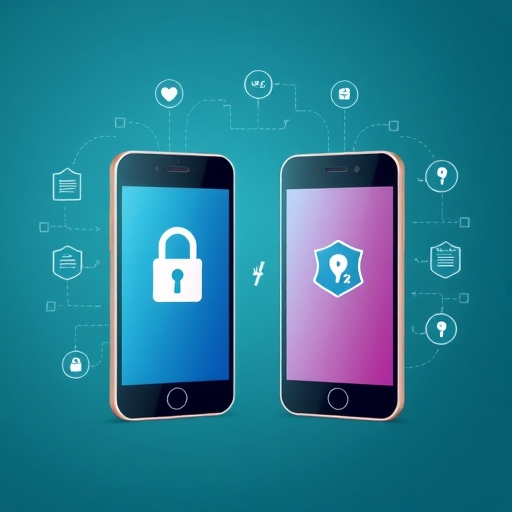
Peer-to-peer (P2P) payments have quickly become an appealing way of sending and receiving funds with just the tap of a button. Platforms such as Venmo, PayPal, Cash App, and Zelle make payments easy for friends, family, and even some businesses alike – yet their use raises questions of safety: are P2P payments truly safe? In this Blog, we explore security measures of popular P2P payment platforms as well as the risks involved to provide some best practices that help keep transactions safe.
What Are Peer-to-Peer (P2P) Payments?
Peer-to-peer (P2P) payments are digital transactions between individuals that do not require traditional bank transfers to complete. Instead, P2P platforms enable fast transfers between users – usually instantaneously – often via phone number or email address alone. People can use P2P payments to quickly pay back friends, split bills, or purchase items in online market places.
How Secure Are P2P Payment Platforms?
P2P payments depend heavily on which platform is selected and its usage pattern; here’s an overview of some of the more well-known platforms:
Venmo
Venmo is an increasingly popular mobile application among young adults. Intended to promote social interactions between users, Venmo allows users to publicly disclose payment details – providing both benefits and risks.
- Security Measures: Venmo offers data encryption technology to secure user information and multi-factor authentication (MFA) to enhance safety.
- Risks: Venmo’s social sharing feature may lead to oversharing of payment information and using it for business transactions is less secure due to limited buyer protection.
PayPal
PayPal has long been known for its secure P2P payment platform with strong buyer protection policies in place.
- Security Measures: PayPal employs encryption, two-factor authentication (MFA), and fraud detection systems to secure user transactions and offers buyer and seller protection in eligible transactions.
- Risks: PayPal doesn’t cover personal payments or gifts sent to unknown addresses, making the user vulnerable when sending money abroad.
Cash App
Cash App from Block Inc (formerly Square) has quickly gained in popularity due to its user-friendliness and additional services that include investing and cryptocurrency trading.
- Security Measures: Cash App protects user accounts with data encryption, PIN codes and biometric authentication to provide users with peace of mind that their funds remain safe from fraud or suspicious activity. You can set alerts for all activity on their accounts to stay informed.
- Risks: Cash App transactions are instantaneous and irreversible, which poses risks when dealing with unidentified recipients or not having as much buyer protection as PayPal offers.
Zelle
Zelle, supported by many major U.S. banks, allows instant transfers between bank accounts – making it an appealing solution for customers in the U.S. with bank accounts located there.
- Security Measures: Since Zelle connects directly with users’ bank accounts, it takes advantage of existing bank security infrastructure including encryption and MFA for optimal protection.
- Risks: Due to Zelle’s instant transactions and lack of buyer protection features, any incorrect or fraudulent transfers made can’t easily be undone or reversed if mistakes or fraud occur – making this payment method less suitable when transacting with unknown parties.
Common Risks Associated with P2P Payments.
P2P payments come with their own set of security features; nonetheless, there may still be risks involved:
- Scams: Fraudsters often exploit the instant nature of P2P payments for fraudulent activity. Common scams include fake buyer schemes, phishing attacks, and social engineering attacks which involve deceiving users into sending money directly.
- Loss of Funds: P2P transactions tend to be irreversible; should you send money to an incorrect recipient or become a victim of fraud, recovering your funds may prove challenging.
- Privacy Concerns: Venmo and other P2P apps provide social sharing features that can expose your transaction history to both the general public and your contacts, raising privacy concerns if sensitive data is shared.
- Unauthorized Access: Once scammers gain entry to your P2P account, they could quickly drain funds or initiate illegal transactions – further increasing this risk with weak passwords or no MFA.
Best Practices to Keep P2P Payments Safe
- Use Trusted Platforms Only: Rely only on reliable P2P platforms like Venmo, PayPal, Cash App or Zelle for transactions between peers; research any platforms with limited security features or poor reputation before choosing one to send and receive funds on.
- Enable Multi-Factor Authentication: MFA adds another level of security to your account, making it harder for unauthorized individuals to gain entry.
- Verifying Recipients: Make sure that when sending large sums, money goes directly to its rightful recipient. Confirm their details before concluding any transaction.
- Avoid Sending Money to Strangers: Scammers often try to gain your trust by having you transfer payments directly, so to reduce risk it’s wiser to send payments only to individuals whom you know well such as family and friends.
- Set Your Privacy Settings: For apps such as Venmo, ensure transactions are set as “private” to avoid disclosing details of transactions to others.
- Phishing Scams: Be wary of any messages, emails, or calls asking you for account or password details or passwords – scammers may pose as customer service to gain entry to your accounts and compromise them.
- Create Notifications: Most P2P apps enable you to set notifications for every transaction, providing instantaneous notification in case any suspicious activities arise. In doing this, any suspected activities would immediately come to light – providing added peace of mind!
- Use Strong Passwords: Create secure, unique passwords for each P2P app you use and change them regularly to improve security.
- Add Protection with Credit Cards: Where possible, linking a credit card instead of a bank accounts provides added layers of security; in particular, credit card transactions offer stronger fraud prevention than bank transfers do.
How Each Platform Handles Disputes
- Venmo: Because Venmo doesn’t provide buyer or seller protection, disputes could potentially become difficult if paying someone unfamiliar. Venmo works best when used between trusted individuals.
- Paypal: PayPal and eBay both provide dispute resolution and buyer protection services that only cover “Goods and Services” transactions; not personal payments made directly.
- Cash App: Cash App generally doesn’t offer buyer protection services, making it challenging to resolve disputes between individuals who send or receive money. This lack of protection complicates matters when users send funds directly to strangers or encounter online scams.
- Zelle: Zelle does not provide buyer protection; instead, it facilitates transactions between trusted individuals, who bear full responsibility for transactions and have limited options for resolving disputes.
Conclusion: Are P2P Payments Secure?
Peer-to-peer (P2P) payment platforms make money transfers quick and effortless, giving users instantaneous access to funds via Venmo, PayPal, Cash App, and Zelle among others. While each app comes equipped with its own security measures to safeguard users’ funds safely; ultimately the responsibility for using such apps wisely lies on them as individuals themselves.
P2P payments can be an efficient and safe means of transaction with trusted individuals; however, risks such as scams, fraud, and unauthorized access do exist when used with strangers or unfamiliar vendors. By following best practice security strategies–like enabling multifactor authentication (MFA), verifying recipients, and using privacy settings–you can take full advantage of P2P payments while mitigating risks as best you can.
Understanding the security features of each P2P payment app and taking proactive measures to secure transactions can help keep digital payments safe for everyone involved. By choosing secure platforms, being aware of scams, and only sending funds to people you can trust, digital payments offer ample opportunity for success with absolute peace of mind.