


CFD (Contract for Difference) trading has rapidly gained popularity in the financial markets, offering traders and investors the chance to capitalize on price movements without owning the underlying asset. This guide breaks down the essentials of CFD trading, including how it works, key benefits, associated risks, and best practices.
Introduction to CFD Trading
CFD trading allows investors to speculate on the price movements of various financial instruments—such as stocks, indices, commodities, and cryptocurrencies—without actually buying or selling the asset itself. When trading CFDs, investors agree to exchange the difference in the price of an asset from the time the contract is opened to when it is closed.
This flexibility, combined with the ability to use leverage, makes CFDs a compelling choice for many traders looking to maximize their returns. However, understanding the mechanics, risks, and strategies behind CFD trading is essential before diving in.
How CFD Trading Works
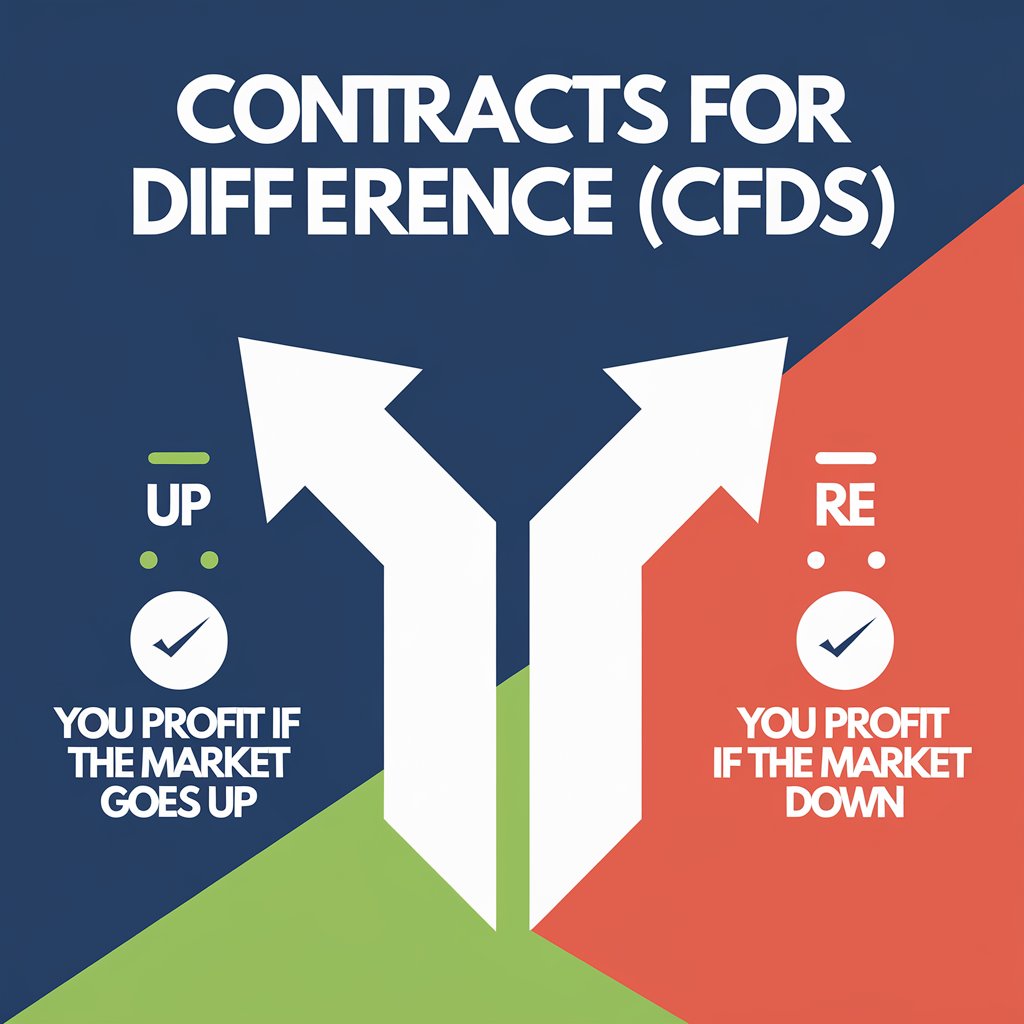
CFD trading is built on contracts rather than ownership. When you enter a CFD trade, you’re speculating on the price movement of an asset, either “going long” (buying) if you believe the price will increase or “going short” (selling) if you expect it to fall.
Key Mechanics of CFD Trading
- Opening a Position: Decide whether to buy or sell based on market analysis and your price prediction.
- Leverage and Margin: CFDs are leveraged products, meaning you can gain a larger position with a smaller capital outlay (initial margin). While this can magnify profits, it also increases risk.
- Profits and Losses: Your profit or loss is determined by the difference between the opening and closing prices, multiplied by the number of contracts you hold.
- Closing the Position: You close the position to realize the gain or loss, based on whether your prediction was accurate.
Example of a CFD Trade: Imagine you open a CFD trade on stock XYZ at $100 and hold 10 contracts. If the stock price rises to $105 when you close, your profit is calculated as $5 (price increase) * 10 (contracts), equaling $50. However, if the stock price dropped to $95, your loss would similarly be $50.
Key Benefits of CFD Trading
CFD trading offers several unique advantages that differentiate it from traditional trading:
1. Leverage and Capital Efficiency
With leverage, you can control a larger market position than your initial investment. For instance, with 10:1 leverage, a $1,000 investment could allow you to trade up to $10,000 in CFDs. This makes CFD trading capital-efficient, allowing traders to diversify their portfolio without requiring large capital.
2. Access to Global Markets
CFDs give traders access to a broad range of markets, including indices, stocks, forex, commodities, and cryptocurrencies. This allows for easy diversification across sectors and asset types, all from a single platform.
3. Flexibility to Go Long or Short
Unlike traditional investing, which typically focuses on buying low and selling high, CFDs let traders profit from both rising and falling markets. This flexibility makes it possible to hedge other investments by shorting a related asset.
4. No Ownership of Assets
Since you don’t actually own the asset, there are fewer logistical concerns, such as custody and delivery. For example, with CFDs on commodities, you’re only speculating on the price change, meaning you won’t need to worry about storage or transport.
5. No Stamp Duty
In many countries, CFDs are exempt from certain taxes like stamp duty since they don’t involve ownership of the underlying asset. However, capital gains tax may still apply.
Risks Associated with CFD Trading
While CFD trading has appealing benefits, it’s not without significant risks. Understanding these risks is crucial to trading successfully:
1. Leverage Risk
While leverage can amplify profits, it also magnifies losses. If a trade moves against you, your loss is calculated based on the entire position size, not just the initial margin, making it possible to lose more than your initial investment.
2. Market Volatility
CFD prices are influenced by the price movements of the underlying assets, which can be highly volatile. Sudden market shifts can quickly erode your position if you’re unprepared or overleveraged.
3. Risk of Losing More Than Initial Deposit
Since CFDs allow you to trade on margin, there is the potential for losses to exceed the amount you initially invested, especially in highly volatile markets.
4. Overnight Funding Costs
Holding CFD positions overnight often incurs a “swap” or “rollover” fee, as you’re essentially borrowing money to keep the position open. This can add up over time and reduce your profits, especially on leveraged positions.
5. Counterparty Risk
CFDs are typically traded through brokers, meaning there’s a level of reliance on the broker’s financial health and business practices. A reputable broker minimizes this risk, but it’s something to consider.
Types of CFD Markets
CFD trading spans multiple asset classes, each with unique characteristics:
- Stocks: Trade shares of global companies with low initial margin requirements.
- Indices: Track the performance of a group of stocks from specific markets, like the S&P 500 or FTSE 100.
- Forex: Trade currency pairs, benefiting from market liquidity and often lower transaction costs.
- Commodities: CFDs on commodities like gold, oil, and silver allow exposure to these markets without physical ownership.
- Cryptocurrencies: Speculate on the price movements of popular cryptocurrencies like Bitcoin, Ethereum, and others.
CFD Trading Strategies
1. Swing Trading
Swing traders hold positions for several days, aiming to capture gains from short- to medium-term price movements. They rely on technical indicators to identify trends and optimal entry/exit points.
2. Day Trading
Day trading involves opening and closing positions within the same day to capitalize on intraday price movements. CFDs are popular among day traders due to leverage and access to a wide range of markets.
3. Hedging
CFDs allow investors to hedge other positions in their portfolio. For example, if you hold shares in a company and expect a short-term decline, you could short a CFD on the same stock to offset potential losses.
4. Breakout Trading
This strategy involves identifying key price levels where an asset is likely to break out in a new direction. By entering a position at the point of breakout, traders aim to capture substantial price movements.
Choosing the Right CFD Broker
Selecting the right broker is essential for safe and effective CFD trading:
- Regulation and Security: Choose a broker regulated by reputable authorities (like the FCA, ASIC, or CySEC) to ensure client fund protection.
- Range of Markets: Ensure the broker offers a diverse range of markets to align with your trading interests.
- Leverage Options: Some brokers provide adjustable leverage, allowing you to choose a comfortable risk level.
- Fees and Spreads: Look out for commission structures, spreads, and overnight fees that align with your trading style and goals.
- Platform Features: An intuitive, reliable trading platform with robust tools and analytics can enhance your trading experience.
Best Practices for CFD Trading
- Set a Clear Strategy: Before trading, outline your goals, risk tolerance, and preferred assets. Use demo accounts to test strategies without financial risk.
- Risk Management: Implement stop-loss and take-profit orders to cap potential losses and secure profits automatically.
- Stay Updated with Market News: Geopolitical events, economic reports, and market news can significantly affect CFD prices. Regularly monitoring these can help make informed decisions.
- Avoid Overleveraging: Stick to a manageable leverage level. High leverage can lead to rapid gains but also extreme losses.
- Review and Reflect: Periodically review your trades, focusing on what worked and what didn’t. Adjust strategies based on insights gained.
The Future of CFD Trading
The CFD market is evolving as more investors seek flexible and cost-effective ways to trade global assets. Key trends likely to shape the future include:
- Enhanced AI and Automation: Expect more tools that use AI for predictive analytics, personalized insights, and automated trading.
- Expansion in Cryptocurrency CFDs: As crypto adoption rises, CFD offerings are likely to grow, providing more options for crypto-trading.
- Mobile Trading: With mobile technology improvements, traders are increasingly conducting transactions on-the-go, prompting brokers to offer advanced mobile platforms.
- Improved Transparency and Regulation: Regulatory bodies worldwide are working towards stricter guidelines, ensuring fairer practices and greater transparency in the CFD industry.
Conclusion
CFD trading presents unique opportunities and risks for modern investors, blending high potential returns with flexibility and market access. However, due diligence, proper risk management, and a well-thought-out strategy are key to success in CFD trading. By following best practices and understanding the nuances of this powerful trading tool, traders can harness the potential of CFDs to diversify their portfolios and capitalize on global market movements.
Whether you’re a seasoned investor or a newcomer, an informed approach to CFD trading can help you achieve your financial goals in today’s fast-paced markets.