


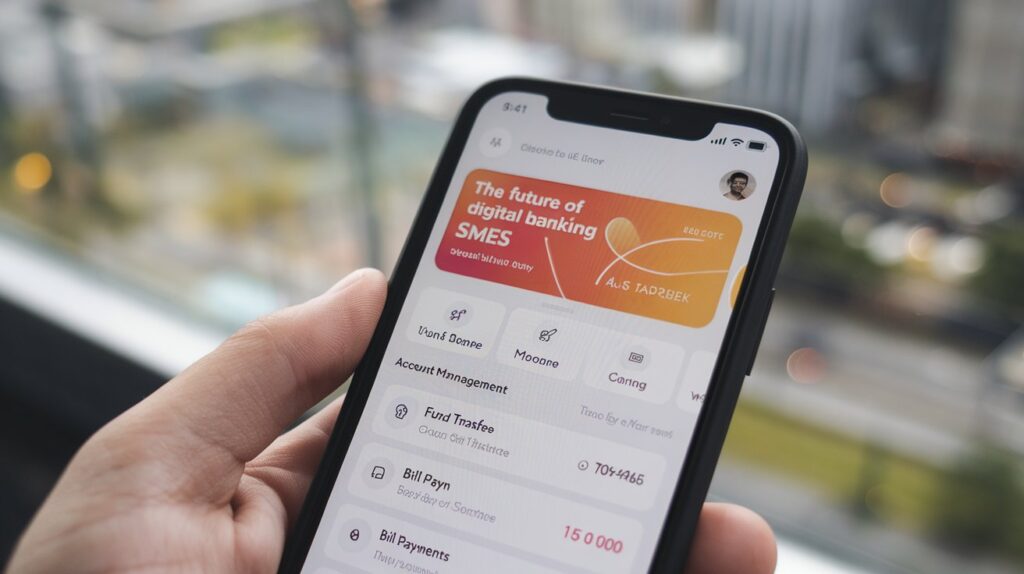
In the rapidly evolving world of digital finance, eBanking apps have become indispensable for financial institutions and fintech companies. They provide a streamlined, user-friendly way for customers to manage their finances, while also offering financial service providers an opportunity to expand their reach and enhance customer satisfaction. Whether you’re a bank or a fintech company, understanding the key aspects of eBanking app development is essential to keeping up with the digital transformation.


This comprehensive guide will walk you through the steps of eBanking app development, helping you choose between white-label solutions and custom platforms. It will also explore why eBanking apps are the future of digital banking, especially for small and medium enterprises (SMEs).
Why eBanking Apps Are the Future of Digital Banking for SMEs
Digital banking is reshaping the financial landscape, and eBanking apps are at the forefront of this revolution. These apps offer SMEs a range of benefits, from reduced transaction costs to real-time financial insights. As the number of small and medium enterprises grows globally, there is an increasing demand for efficient, flexible, and secure financial management tools.
Here are a few reasons why eBanking apps are crucial for SMEs:
- Cost Efficiency: SMEs often operate on tight budgets, and traditional banking solutions can be expensive. eBanking apps provide cost-effective options by reducing the need for physical banking infrastructure and offering lower transaction fees.
- Improved Access to Financial Services: With eBanking apps, SMEs can access a range of banking services 24/7, including money transfers, loan applications, and account management, without the need to visit a physical bank.
- Enhanced Security: Security is a top concern for SMEs. eBanking apps typically come with advanced security features like two-factor authentication (2FA), encryption, and biometric login, ensuring that sensitive financial data is protected.
- Streamlined Financial Operations: eBanking apps simplify day-to-day operations for SMEs, including payroll management, invoicing, and expense tracking. With a mobile-first approach, businesses can conduct their banking operations on the go.
- Global Reach: As SMEs expand internationally, eBanking apps offer multi-currency support, making it easier to handle cross-border transactions, trade finance, and international payments.
Key Considerations in eBanking App Development
For financial institutions and fintech companies considering eBanking app development, understanding the process is critical. Below are the essential elements that must be addressed to ensure the development of a secure, functional, and successful eBanking app.
1. Choosing Between White-Label vs. Custom eBanking App Development
One of the first decisions you’ll face is whether to develop a white-label solution or a custom-built eBanking app. Each option has its pros and cons, depending on your business goals, budget, and timeline.
White-Label Solutions White-label apps are pre-built platforms that can be customized with your brand’s logo, colors, and specific features. These solutions offer the advantage of speed and lower cost, as the core infrastructure is already developed. Businesses can launch a fully functional app within weeks.
- Pros:
- Faster time-to-market
- Lower development costs
- Proven and tested infrastructure
- Pre-built security and compliance features
- Cons:
- Limited customization options
- Dependency on the third-party provider for updates and support
Custom Development Custom eBanking app development involves building a solution from scratch, tailored specifically to your organization’s needs. This option gives you complete control over the app’s design, features, and user experience.
- Pros:
- Full customization and control
- Unique features and UX tailored to your customers
- Long-term scalability and flexibility
- Cons:
- Higher development costs
- Longer development time
- Requires ongoing maintenance and updates
2. Security and Compliance
Security is one of the most critical aspects of eBanking app development. Financial institutions must adhere to strict regulatory standards to protect user data and financial transactions. Key security features should include:
- Encryption: Data transmitted through the app must be encrypted, ensuring that sensitive information is not compromised.
- Two-Factor Authentication (2FA): By requiring users to verify their identity using a second factor (such as a one-time password or biometric data), 2FA adds an extra layer of security.
- Biometric Login: Fingerprint and facial recognition technologies are becoming standard in eBanking apps, providing a secure and convenient login method.
- Fraud Detection Systems: Machine learning and AI-powered systems can help detect and prevent fraudulent activities by analyzing transaction patterns and flagging suspicious behavior.
- Compliance: Ensure your app adheres to global and regional regulations such as GDPR, PSD2, and PCI-DSS. These standards govern how financial institutions handle data, process payments, and protect user privacy.
3. User Experience (UX) and User Interface (UI) Design
A successful eBanking app hinges on its usability. A seamless and intuitive user experience is essential for attracting and retaining customers. Key considerations include:
- Mobile-First Design: With more users accessing banking services via smartphones, the app must be optimized for mobile devices, ensuring fast loading times and easy navigation.
- Simplicity and Usability: Keep the design clean and straightforward, allowing users to perform tasks like checking balances, transferring money, and paying bills with minimal steps.
- Personalization: Modern users expect personalized experiences. Incorporate features that allow users to customize their dashboards, set savings goals, and receive personalized financial insights.
4. Core Features of an eBanking App
An eBanking app must offer a wide range of features to meet the needs of modern consumers. Here are some of the core functionalities that should be included:
- Account Management: Allow users to view account balances, transaction histories, and manage multiple accounts.
- Fund Transfers: Enable seamless transfers between accounts, including peer-to-peer (P2P) transfers and external account transfers.
- Bill Payments: Provide an option for users to pay bills directly through the app, with reminders and scheduling features.
- Card Management: Include options for users to activate/deactivate cards, set spending limits, and report lost or stolen cards.
- Loan and Credit Applications: Allow users to apply for loans, check eligibility, and track the status of applications within the app.
- Financial Planning Tools: Offer budgeting tools, savings trackers, and expense categorization features to help users manage their finances.
- Push Notifications: Send real-time alerts for account activities, including large transactions, low balances, and payment reminders.
5. Integration with Third-Party Services
To offer a comprehensive banking experience, eBanking apps often need to integrate with third-party services such as payment gateways, credit reporting agencies, and fintech solutions. This allows for added functionalities, such as:
- Digital Wallet Integration: Enable users to link their digital wallets (e.g., Apple Pay, Google Pay) for quick payments and transfers.
- Investment Platforms: Partner with investment platforms to allow users to manage their portfolios, trade stocks, and track market performance within the app.
- Customer Support Integration: Provide in-app customer support through live chat, email, or voice calls to assist users with queries or issues.
- The Future of eBanking Apps for SMEs
As SMEs continue to grow and evolve, eBanking apps will play a crucial role in helping these businesses manage their financial operations. With mobile banking becoming the norm, SMEs need flexible, cost-efficient, and secure banking solutions that can scale with their business needs.
White-label eBanking solutions are ideal for SMEs that want to quickly deploy a professional and secure banking app without the long development cycles and high costs associated with custom-built platforms. On the other hand, custom-built apps offer the opportunity for SMEs to create a tailored banking experience that meets their specific operational needs.
Conclusion
eBanking app development is no longer a luxury—it’s a necessity for financial institutions and fintech companies looking to stay competitive in the digital age. Whether you choose a white-label solution for its speed and cost efficiency, or opt for custom development to create a unique banking experience, the benefits of launching an eBanking app are clear.
For small and medium enterprises, eBanking apps provide streamlined, accessible, and secure financial management solutions that support business growth. By leveraging the latest technology and partnering with the right development teams, financial institutions can offer innovative and reliable banking services to meet the ever-changing needs of their customers.
Launching an eBanking app might seem daunting, but with the right approach and careful planning, your business can successfully bring its digital banking vision to life in just a few weeks. The future of banking is mobile, and now is the time to embrace it.