




1. Understanding the Importance of a Payment Gateway
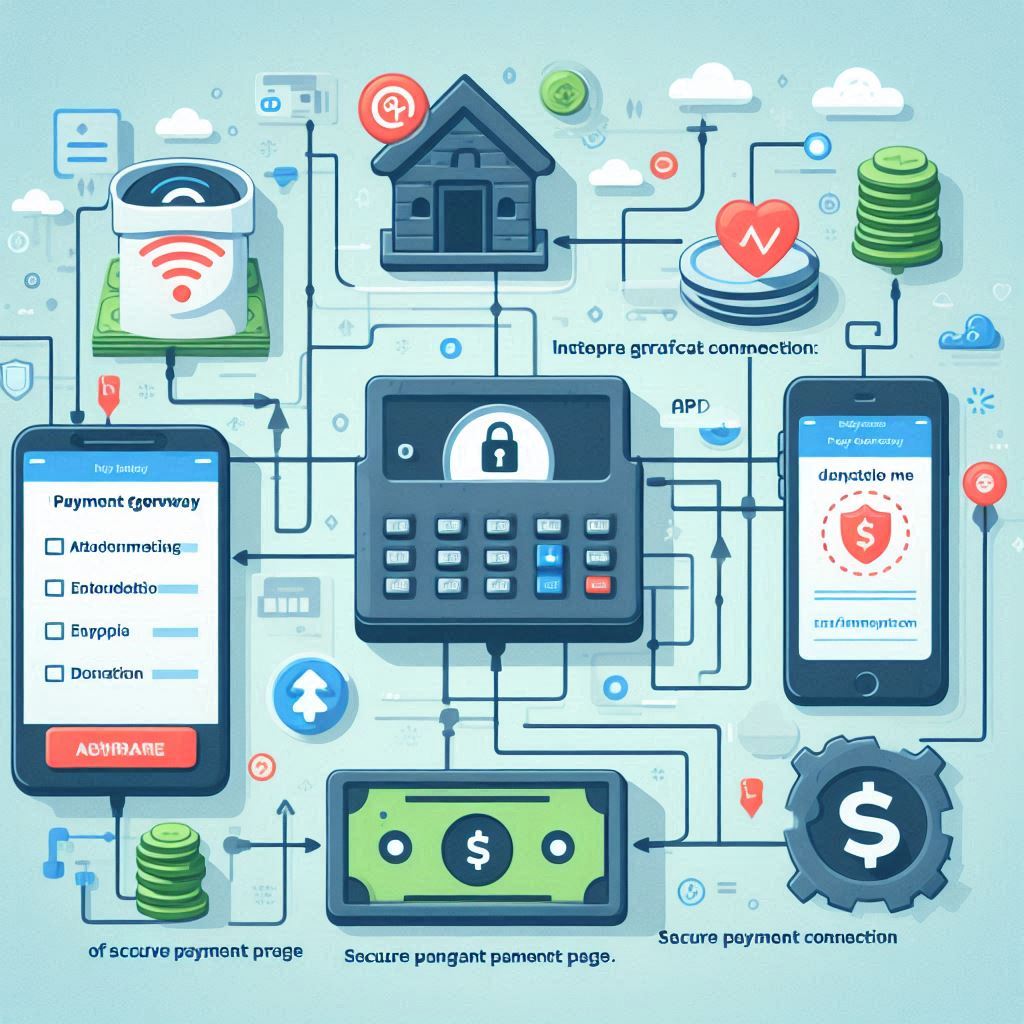
A payment gateway is a technology that enables secure transactions between donors and the non-profit organization. It allows non-profits to accept online donations, automate recurring contributions, and provide a seamless payment experience for donors. A well-chosen payment gateway can enhance donor trust, improve donation rates, and streamline financial management.
2. Choosing the Right Payment Gateway
Selecting the appropriate payment gateway for a non-profit involves considering several factors:
- Non-Profit Specific Features: Look for gateways offering discounted transaction fees or special features tailored to non-profits, such as donor management tools, the ability to handle recurring donations, and support for various donation methods.
- Ease of Use: Choose a gateway that is easy to set up and use, even for organizations without technical expertise. A user-friendly interface and good customer support can significantly reduce setup time and operational issues.
- Security: Ensure the gateway complies with Payment Card Industry Data Security Standard (PCI DSS) and offers fraud protection features. This is crucial for protecting donor data and maintaining trust.
- Compatibility: Verify that the payment gateway integrates seamlessly with your existing website, donation forms, and CRM systems. This can save time and prevent technical glitches.
- Cost Considerations: While some payment gateways offer lower fees for non-profits, it’s important to understand the total cost, including setup fees, transaction fees, and monthly maintenance charges.
Popular payment gateways for non-profits include PayPal, Stripe, Square, and specialized services like Donorbox and Qgiv.
3. Setting Up Your Payment Gateway
Once you’ve selected a suitable payment gateway, follow these steps to set it up:
- Create an Account: Register with the payment gateway provider. You may need to provide details about your non-profit, including legal documentation confirming your tax-exempt status.
- Verify Your Non-Profit Status: Many gateways offer discounts or special features for verified non-profits. Complete the verification process to unlock these benefits.
- Configure Payment Options: Customize your payment options based on donor preferences. This could include one-time donations, recurring donations, and the ability to donate via credit cards, bank transfers, or digital wallets.
- Integrate with Your Website: Integrate the payment gateway with your website. Most gateways offer plug-ins or APIs that make this process straightforward. Ensure your donation page is mobile-friendly and easily accessible.
- Test the System: Before going live, conduct thorough testing to ensure everything works as intended. Test different payment methods, error handling, and the security of the transaction process.
4. Ensuring Compliance and Security
Non-profits must adhere to certain regulatory and security standards to operate legally and protect donor information:
- PCI Compliance: Ensure that your payment gateway is PCI DSS compliant. This is a set of security standards designed to ensure that all companies that accept, process, store, or transmit credit card information maintain a secure environment.
- Data Privacy Laws: Be aware of data privacy laws such as GDPR (General Data Protection Regulation) or CCPA (California Consumer Privacy Act) that may apply depending on your location and donor base.
- SSL Certificates: Secure your donation pages with SSL certificates to encrypt donor information during transactions. This helps protect sensitive data from unauthorized access.
5. Optimizing the Donor Experience
To maximize donations and enhance donor satisfaction, focus on the donor experience:
- Simplified Donation Process: Reduce the number of steps required to complete a donation. A streamlined process encourages more donations and reduces the likelihood of donor drop-off.
- Mobile Optimization: Ensure your donation process is fully optimized for mobile devices. A significant number of donors use smartphones or tablets, and a mobile-friendly donation page can significantly boost contributions.
- Transparent Communication: Keep donors informed about how their funds will be used. Providing transparency and regular updates can enhance trust and encourage repeat donations.
6. Monitoring and Reporting
Regularly monitor your payment gateway’s performance and generate reports to track donations, recurring contributions, and overall financial health:
- Dashboard Insights: Use the gateway’s dashboard to access real-time data on donations, donor trends, and transaction success rates.
- Reporting Tools: Leverage built-in reporting tools to create customized reports that help in analyzing donor behavior and identifying areas for improvement.
Conclusion
Setting up a payment gateway for a non-profit organization involves selecting the right service, ensuring compliance, integrating it with your website, and optimizing the donor experience. By focusing on security, ease of use, and transparency, non-profits can enhance donor trust and streamline their financial processes.