



What Are Payment Gateways?
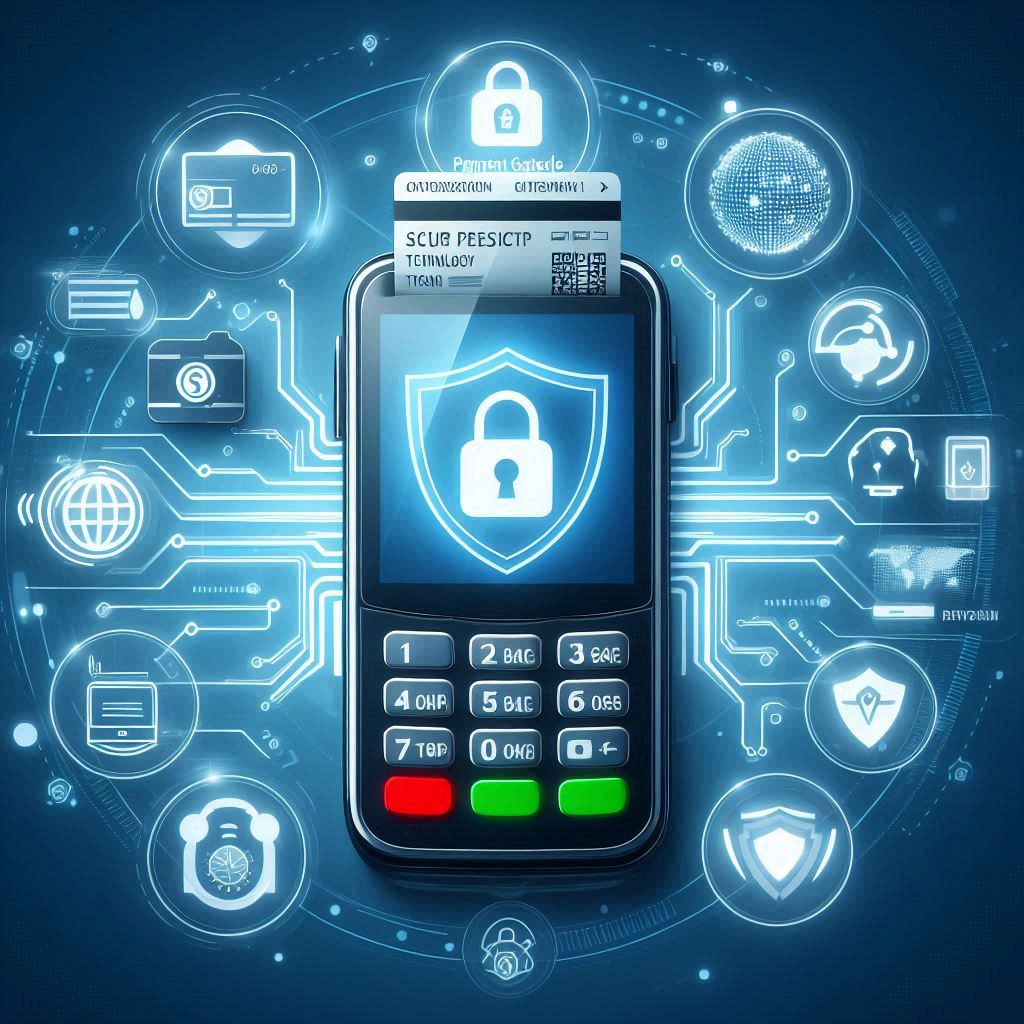
Payment gateways are digital systems that facilitate secure transactions between consumers, merchants, and financial institutions. Acting as a middleman, they encrypt sensitive data, verify payment details, and ensure funds transfer securely.
Types of Fraud in Digital Payments
Before delving into prevention, it’s essential to understand the types of fraud payment gateways combat:
- Card-Not-Present (CNP) Fraud: Fraudsters use stolen card information for online purchases.
- Phishing Attacks: Fake emails or websites trick users into sharing sensitive data.
- Account Takeovers: Hackers gain unauthorized access to user accounts.
- Chargeback Fraud: Customers dispute legitimate charges, claiming they didn’t authorize the transaction.
How Payment Gateways Prevent Fraud
Payment gateways employ multiple strategies to ensure your financial security. Here’s how they do it:
Encryption Technology: Encryption converts sensitive payment data into unreadable code, ensuring it cannot be intercepted during transmission.
- How It Works: When you enter your card details, the gateway encrypts the information before sending it to the payment processor.
- Why It’s Effective: Even if hackers intercept the data, they cannot decipher it without the encryption key.
Tokenization: Tokenization replaces sensitive payment details with a unique identifier or “token.”
- How It Works: Instead of storing your card details, a token is generated for transactions.
- Why It’s Effective: Tokens are useless to hackers as they cannot reverse-engineer the original data.
Artificial Intelligence and Machine Learning: AI and machine learning analyze transaction patterns to detect and prevent fraudulent activities.
- How It Works: Algorithms flag suspicious transactions based on anomalies like location changes, unusual spending, or mismatched IP addresses.
- Why It’s Effective: Real-time detection prevents fraud before it occurs.
Two-Factor Authentication (2FA): 2FA adds an extra layer of security by requiring two forms of verification.
- How It Works: After entering your password, you must also input a code sent to your phone or email.
- Why It’s Effective: Even if a hacker has your password, they cannot proceed without the second factor.
Real-Time Monitoring: Payment gateways monitor transactions in real-time to identify irregularities.
- How It Works: Advanced systems flag transactions that deviate from typical patterns.
- Why It’s Effective: Instant alerts allow gateways to block suspicious activities immediately.
Address Verification System (AVS): AVS verifies that the billing address entered matches the one associated with the card.
- How It Works: The system cross-checks the entered address with the card issuer’s records.
- Why It’s Effective: Discrepancies can signal potential fraud, prompting additional verification.
PCI DSS Compliance: Payment gateways adhere to the Payment Card Industry Data Security Standards (PCI DSS).
- How It Works: These standards mandate strict security measures like encryption, firewalls, and regular audits.
- Why It’s Effective: Compliance ensures that gateways follow the highest security protocols.
What Consumers Can Do to Stay Safe
While payment gateways handle much of the heavy lifting, consumers play a crucial role in fraud prevention. Here’s what you can do:
- Use Secure Connections: Avoid making transactions on public Wi-Fi networks. If necessary, use a Virtual Private Network (VPN) for added security.
- Enable 2FA: Opt for two-factor authentication whenever possible. It’s a simple yet effective way to secure your accounts.
- Monitor Transactions: Regularly review your bank statements and transaction history for unauthorized charges.
- Be Wary of Phishing Scams: Avoid clicking on suspicious links or sharing sensitive information via email or phone.
- Choose Trusted Payment Gateways: Stick to well-known payment gateways like PayPal, Stripe, or Square, which prioritize security.
Benefits of Fraud Prevention for Consumers
- Peace of Mind: Knowing your data is protected allows you to shop confidently.
- Financial Security: Fraud prevention minimizes the risk of unauthorized charges.
- Enhanced User Experience: Secure systems lead to faster, smoother transactions.
How Payment Gateways Balance Security and Convenience
While security is paramount, convenience remains a priority for consumers. Payment gateways strive to balance both by:
- Streamlining Authentication: Biometric methods like fingerprint and facial recognition offer security without hassle.
- Reducing False Positives: Advanced systems ensure legitimate transactions are not unnecessarily declined.
The Future of Fraud Prevention in Payment Gateways
As technology evolves, so do fraud prevention techniques. Here’s what the future holds:
- Blockchain Technology: Decentralized ledgers offer transparency and security, reducing fraud risks.
- Behavioral Biometrics: Analyzing typing patterns or mouse movements adds another layer of authentication.
- Quantum Cryptography: Quantum computing could revolutionize encryption, making data breaches nearly impossible.