


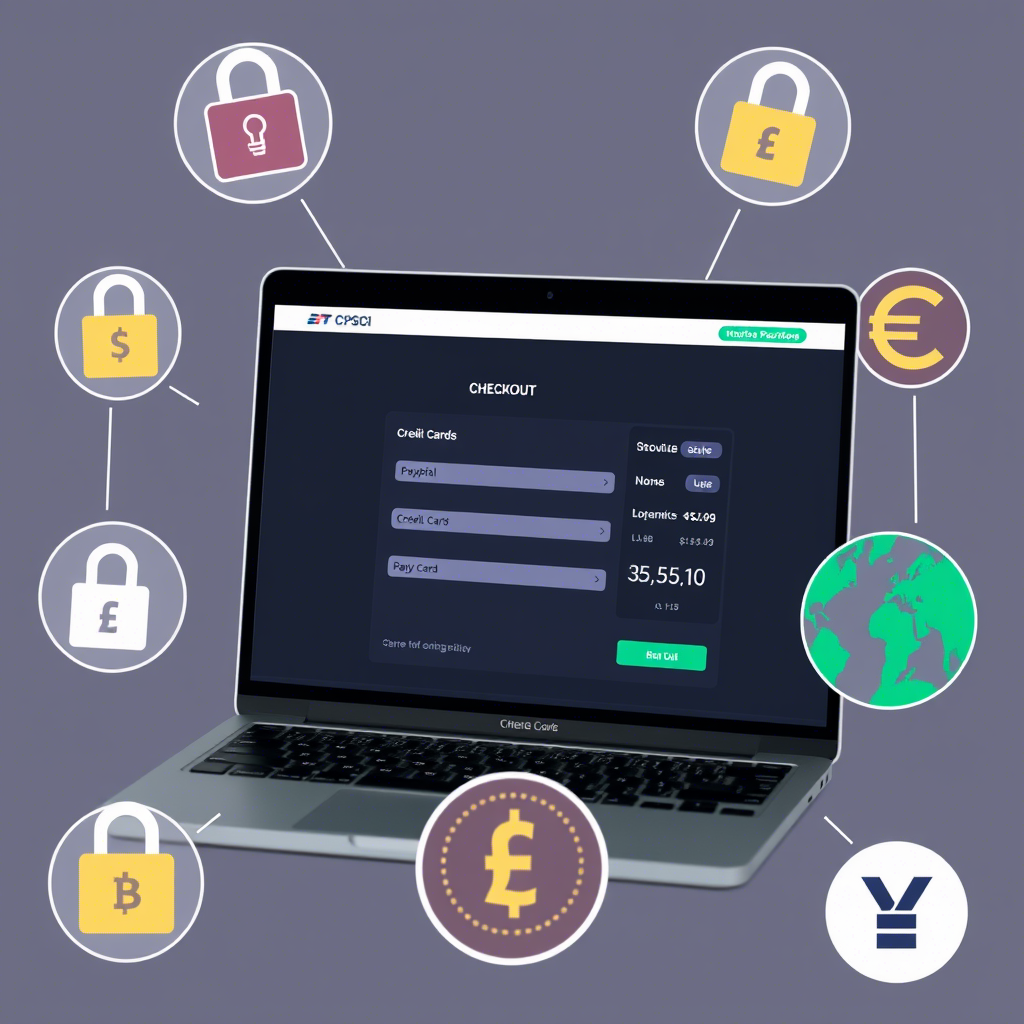
The Perfect Payment Gateway: Your Key to Online Store Success
In today’s digital-first world, setting up an online store is easier than ever—but choosing the right payment gateway can make or break your business. A payment gateway is the bridge between your customers and their purchases, ensuring transactions are secure, seamless, and efficient. But with so many options available, how do you pick the best one for your store? Let’s break it down step by step.
What Is a Payment Gateway?
A payment gateway is a technology that authorizes and processes payments for online businesses. It acts as the middleman between your website, the customer’s bank, and your merchant account, ensuring funds are transferred securely and smoothly.
“Your payment gateway is like the cash register of your online store—choose wisely.”
Without a reliable gateway, even the best products and marketing strategies won’t save your business from frustrated customers and lost sales.
Why the Right Payment Gateway Matters
A poorly chosen payment gateway can lead to failed transactions, security concerns, and frustrated customers. On the other hand, the right gateway ensures smooth checkouts, builds trust, and boosts your bottom line.
“A great payment gateway = happy customers = more sales.”
Let’s explore the key factors to consider when choosing the perfect payment gateway for your online store.
Key Factors to Consider When Choosing a Payment Gateway
1. Security and Compliance
Security should be a top priority. Choose a gateway that complies with PCI DSS (Payment Card Industry Data Security Standard) and offers advanced encryption, fraud detection, and two-factor authentication.
“Protecting your customers’ data isn’t optional—it’s essential.”
Gateways like Stripe and PayPal are known for their robust security features, ensuring a safe shopping experience.
2. Ease of Integration
Your payment gateway should integrate seamlessly with your e-commerce platform, whether it’s Shopify, WooCommerce, Magento, or BigCommerce. Look for gateways that offer plugins, APIs, and pre-built integrations.
“The easier the integration, the faster you can start selling.”
If you’re not tech-savvy, opt for gateways with step-by-step guides and dedicated customer support.
3. Transaction Fees and Costs
Payment gateways charge different types of fees, such as:
- Flat transaction fees (e.g., $0.30 per transaction)
- Percentage-based fees (e.g., 2.9% + $0.30)
- Monthly subscription fees
- Chargeback fees
Compare these costs and ensure they align with your business model.
“Hidden fees can eat into your profits—read the fine print.”
For instance, Square offers transparent pricing, while some gateways may have additional hidden charges.
4. Global Reach and Multi-Currency Support
If you plan to sell internationally, choose a gateway that supports multiple currencies and languages for a seamless shopping experience.
“Go global—choose a gateway that speaks your customers’ language.”
Gateways like Adyen and Worldpay specialize in international transactions, offering localized payment options.
5. Payment Methods and Flexibility
Today’s consumers expect multiple payment options. Ensure your gateway supports:
- Credit/Debit Cards (Visa, MasterCard, AMEX)
- Digital Wallets (Apple Pay, Google Pay, PayPal)
- Buy Now, Pay Later (BNPL) Options (Klarna, Afterpay)
“More payment options = fewer abandoned carts.”
Offering diverse payment methods increases your chances of completing sales.
6. Speed and Reliability
Slow or unreliable payment gateways can frustrate customers and cause cart abandonment. Choose a gateway known for:
- Fast processing times
- Minimal downtime
- Scalability for high-traffic periods
“Speed matters—no one likes waiting at checkout.”
7. Customer Support
Technical issues can arise anytime, so 24/7 customer support via live chat, email, or phone is crucial.
“Good support saves the day when things go wrong.”
Gateways like PayPal and Stripe are praised for their responsive customer service.
8. User Experience and Checkout Optimization
A smooth, mobile-friendly checkout experience enhances conversions. Choose a gateway with:
- A clean, intuitive interface
- Minimal steps to complete transactions
- Guest checkout options
“Simplicity sells—a smooth checkout keeps customers coming back.”
Best Payment Gateways to Consider
Here are some widely-used payment gateways, each with its own strengths:
- PayPal: Trusted globally, easy to set up, and supports multiple currencies.
- Stripe: Developer-friendly, highly customizable, and packed with features.
- Square: Transparent pricing, ideal for small businesses and startups.
- Adyen: Perfect for international sellers with multi-currency support.
- Worldpay: Offers extensive payment options and strong fraud protection.
Final Thoughts
Choosing the right payment gateway is essential for your online store’s success. Prioritize security, ease of use, cost-effectiveness, and customer experience to ensure seamless transactions and happy customers.
“The right payment gateway isn’t just a tool—it’s a partner in your success.”
Take the time to research, test, and compare options before making your choice. A frictionless checkout experience is the key to turning visitors into loyal buyers.
Frequently Asked Questions (FAQs)
1. What is a payment gateway, and how does it work?
A payment gateway is a technology that securely processes online transactions by authorizing and transferring funds from a customer’s bank to the merchant’s account. It acts as a bridge between your website, the customer’s financial institution, and your business, ensuring secure and smooth transactions.
2. How do I choose the best payment gateway for my online store?
To choose the right payment gateway, consider factors like security features (PCI DSS compliance, fraud detection), integration with your e-commerce platform, transaction fees, supported payment methods, global reach, and customer support. Top options include PayPal, Stripe, Square, Adyen, and Worldpay.
3. What are the typical fees associated with payment gateways?
Payment gateway fees vary and can include:
- Transaction fees (e.g., 2.9% + $0.30 per transaction)
- Monthly subscription fees
- Chargeback fees
- Currency conversion fees (for international payments)
Some gateways like Square have transparent pricing, while others may include hidden costs. Always review the fee structure before choosing a provider.
4. Which payment gateway is best for international transactions?
For global sales, choose a gateway that supports multiple currencies, local payment methods, and international compliance standards. Top choices for international businesses include:
- Adyen (multi-currency and localized payment options)
- PayPal (widely accepted worldwide)
- Stripe (strong global payment support)
- Worldpay (excellent cross-border transaction features)
5. How can I improve my online store’s checkout experience?
A seamless checkout experience reduces cart abandonment. Follow these best practices:
- Use a fast and reliable payment gateway
- Offer multiple payment options (credit cards, digital wallets, BNPL services)
- Enable guest checkout (without forcing users to create an account)
- Ensure a mobile-friendly checkout experience
- Display security badges to build customer trust
Want expert insights on the best fintech solutions? Visit TheFinRate for trusted reviews and recommendations.