


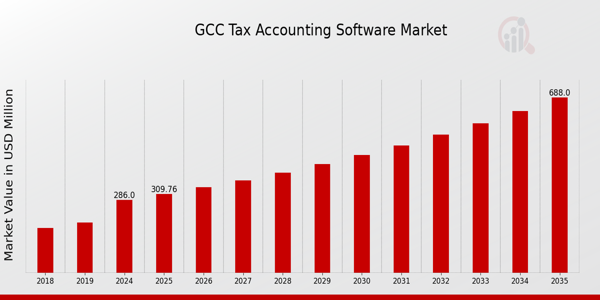
The Gulf Cooperation Council (GCC), comprising Saudi Arabia, UAE, Qatar, Kuwait, Bahrain, and Oman, is increasingly becoming a powerhouse of innovation in accounting and auditing. As these countries pursue economic diversification, governance, transparency, and investment attraction, accounting and audit practices are being transformed by technology, regulation, and new methodologies. Below are key ways the GCC is leading the way — along with opportunities and challenges for firms, regulators, and investors.
1. Adoption of Artificial Intelligence & Data Analytics
One of the biggest shifts in GCC accounting and auditing is the increasing adoption of Artificial Intelligence (AI) and data analytics. A recent study found that for listed firms in GCC markets, AI adoption significantly improves Integrated Financial Reporting (IFR) — especially when paired with high audit quality (specialized auditors, robust audit fees).
AI tools are helping auditors and accountants automate repetitive tasks (e.g., journal entry checks, anomaly detection, and data reconciliations), freeing professionals to focus on more judgment‑intensive work. Data analytics allows for deeper insights, such as trend analysis, predictive modelling of risk, and better estimation of provisions or liabilities.
2. Regulatory & Standard‑Setting Reforms
Regulatory bodies across the GCC are actively working to enhance audit and accounting standards, aligning with international norms and best practices.
-
Regional cooperation: The GCC Audit and Accounting Bureaus hold periodic meetings (e.g. Qatar recently chaired the 21st meeting) to share expertise, coordinate oversight, and enhance joint performance and regulatory convergence.
-
VAT, corporate tax, and e‑invoicing legislation: The introduction of VAT (e.g. in Saudi Arabia, UAE, etc.), e‑invoicing mandates, and corporate tax regimes have forced accounting systems to evolve, increasing the demands on audit to verify compliance, accuracy, and proper disclosures.
-
Uniform technical updates: Globally, audit and accounting standard bodies – e.g. IFAC – observed that over 90% of jurisdiction use IFRS, ISAs, etc., and that GCC countries are part of this trend.
These reforms are stimulating better governance, requiring more disclosures, and pushing firms to upgrade their systems and internal controls.
3. Digitalization, Cloud & Accounting Software Innovation
Digital transformation is a core pillar for many GCC national strategies (e.g. Saudi Vision 2030, UAE’s innovation strategy). This has ushered in innovations in the accounting software space:
-
Cloud‑based accounting platforms: Businesses are moving from on‑premise systems to cloud‑based systems that allow better scalability, remote access, real‑time financial reporting, and better integration with other enterprise tools.
-
Localization features: Accounting tools are now being tailored for GCC needs — multi‑currency support (since many businesses deal with multiple currencies), multi‑language (Arabic and English) interfaces and outputs, localized tax / VAT / e‑invoicing workflows, etc. These features reduce friction, improve compliance, and help SMEs scale across GCC countries.
-
Automation & workflow tools: Automation of audit trails, invoice verification, reconciliation and VAT/VAT refund processes are now being embedded into software to reduce human error and reduce time spent by audit/accounting teams.
4. Use of Emerging Technologies: Blockchain & IoT
-
Blockchain for VAT and tax reporting: Some stakeholders in the GCC suggest that blockchain can be used to streamline VAT implementation: ensuring tamper‑proof records, reducing intermediaries, speeding up collection and refund processes. For example, a commentary on Bahrain suggested blockchain could accelerate tax collection and reduce overheads in VAT administration.
-
Transparency & audit trail integrity: Immutable blockchain records provide a clear, auditable chain of transactions, which helps with both internal and external audit, especially in verifying supply chain, invoices, and procurement.
-
IoT and digital economy measurement: As GCC economies shift more into digital platforms, there’s work being done to measure and account for digital economy activity using AI, ML, blockchain frameworks.
5. Enhancing Audit Quality, Professional Capacity, & Assurance Practices
Innovation isn’t just about technology: regulatory and institutional reforms are also raising the bar for audit quality.
-
More firms are using specialist auditors, increasing training, and developing industry expertise. In the GCC, audit quality moderates the positive effects of AI adoption when specialized auditors are involved.
-
Professional oversight bodies are encouraging higher standards, better disclosures, and more consistent enforcement. The GCC Audit and Accounting Bureaus meetings aim to bolster cooperation, shared guidance, and consistent auditing / financial control frameworks across member states.
-
Firms are increasingly integrating sustainability (ESG) metrics into reporting and audit, not just financial metrics. Tools and platforms for gathering data (e.g., greenhouse gas emissions data from suppliers) and reporting are becoming more sophisticated. Audit management software is being used to track these non‑financial metrics, verify their accuracy, and provide assurance.
6. SMEs & Accessibility of Quality Tools
Small and Medium Enterprises (SMEs) form a large part of the GCC economy. Innovations aim to make compliance and auditing accessible and cost‑efficient for smaller firms:
-
Increasing demand for affordable accounting software tailored for SMEs; software that handles VAT, multi‑currency, regulatory filings, etc.
-
Cloud‑based, subscription‑based models reduce upfront investment in infrastructure.
-
Tools that simplify regulatory compliance, such as built‑in e‑invoicing, Arabic language output, automatic generation of required regulatory reports, etc., help SMEs keep up without large specialist audit teams.
7. Opportunities & Challenges
While GCC is making strides, there are challenges to fully realize the potential of innovation:
Opportunities:
-
Even greater integration of AI / ML in audit methodologies, anomaly detection, predictive audit, continuous auditing.
-
Broader adoption of blockchain not just in tax/VAT, but in supply chain, procurement, contract management, etc.
-
Expanding ESG / sustainability assurance frameworks; aligning with global standards (e.g., ISSB).
-
Improved cross‑GCC harmonization in accounting & auditing standards to reduce barriers for multi‑country operations.
Challenges:
-
Talent gap: Skilled professionals in advanced audit technology, data science, AI governance are still in demand.
-
Regulatory lag / enforcement: Even when laws or standards exist, enforcement may be uneven; transparency and disclosure can vary between companies & sectors.
-
Data quality and infrastructure: For AI and analytics to work well, underlying data must be clean, consistent, timely. Some firms may lack that.
-
Cost & change management: Upgrading systems, training auditors, implementing new technologies require investment; some firms (especially SMEs) may struggle.
-
Cybersecurity / ethical risks: With more reliance on data, cloud, AI, blockchain – risks related to data privacy, ethical use of AI, system security become important concerns.
Conclusion
The GCC is fast emerging as a hub for accounting and audit innovation. Through adoption of AI & data analytics, digitalized accounting software, improved regulatory regimes, and rising focus on ESG reporting, the region is modernizing its financial reporting, audit quality, and transparency. For companies, staying ahead means embracing these innovations proactively. For regulators, ensuring that reforms are enforced, that artificial intelligence / new tech is governed responsibly, and that standards remain high will be key. For investors, these innovations pave the way for greater trust, more reliable financial reporting, and more efficient capital allocation.