


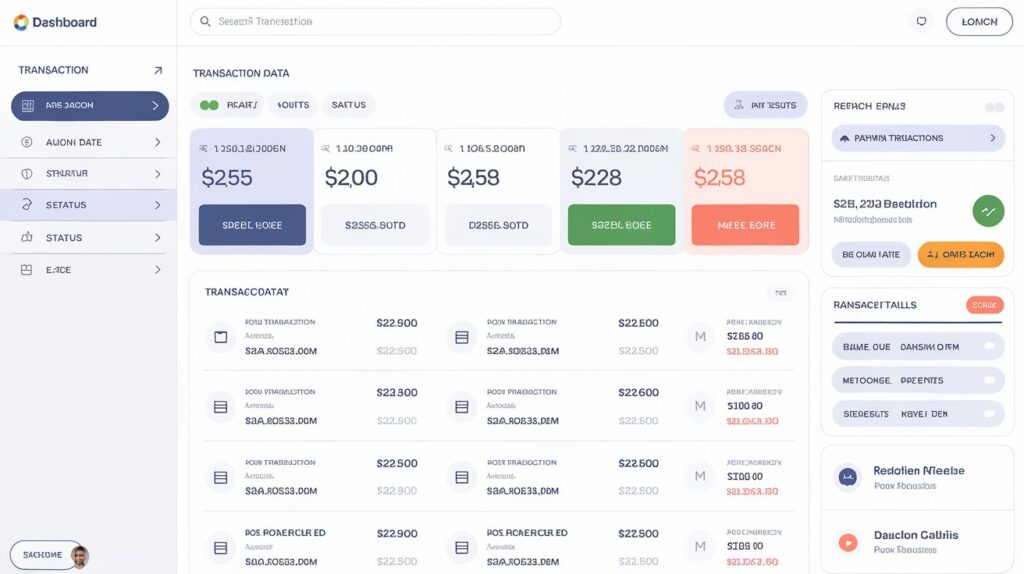
Make Your Own Payment Gateway
Why the Future of Payments is Controlled by Businesses that Customize Their Payment Solutions
In today’s rapidly evolving digital landscape, businesses are no longer content with relying on third-party payment processors to handle their transactions. As eCommerce and fintech explode globally, the demand for customizable, secure, and seamless payment experiences has skyrocketed. The future of payments is being shaped by companies that are not only adapting to consumer demands but also tailoring their payment infrastructure to fit their brand and operational needs. Whether it’s ensuring seamless user experiences or optimizing transaction fees, businesses now seek full control over the payment process, which can be achieved by developing their own payment gateway solutions.
The Rise of White-Label Payment Gateways
For many businesses, the quickest route to payment infrastructure control is through white-label payment gateways. White-label solutions offer a fast, efficient way for companies to have their own branded payment gateway without the complexities and costs of building one from scratch. In this article, we will explore what white-label payment gateways are, how they work, and the steps necessary to create your own fully functional payment gateway. Whether you want to build one from scratch or leverage white-label options, understanding the payment gateway landscape is essential for growing your business.
White-Label Payment Gateway
Throughout this guide, we will use key phrases like white-label payment gateway to help businesses discover how to take control of their payment systems. By highlighting the benefits of white-label payment solutions and how they stack up against building one from the ground up, readers will be informed about the best course of action to meet their business goals.
What Is a Payment Gateway?
The Role of a Payment Gateway
A payment gateway is a technology that enables businesses to accept payments from customers through various channels—be it credit cards, debit cards, or even cryptocurrencies. In essence, it acts as the bridge between a customer’s financial information and the merchant’s account, ensuring that payments are securely processed and approved. This technology is vital for eCommerce businesses, allowing them to accept online payments in real-time.
Payment gateways handle important functions such as:
- Encryption: Protecting sensitive data as it’s transferred between customer and merchant.
- Authorization: Verifying transaction details with banks and card networks.
- Settlement: Ensuring the funds move securely from the customer’s bank to the merchant’s account.
Why Businesses Rely on Payment Gateways
For businesses, especially in the eCommerce and fintech sectors, payment gateways are essential. They enable secure and seamless transactions, boost customer trust, and enhance the shopping experience. Without a robust payment gateway, businesses risk losing customers due to poor transaction experiences, including delays, errors, or lack of payment options.
In the increasingly competitive online space, businesses need gateways that not only process payments but also protect against fraud, offer flexible currency options, and integrate with mobile and web platforms. For startups, selecting the right payment gateway can mean the difference between smooth scalability and operational bottlenecks.
White-Label Gateway Insight: Branding & Control
With the growing demand for businesses to offer personalized payment solutions, white-label payment gateways have emerged as a popular solution. A white-label gateway allows companies to take a ready-made payment infrastructure and customize it to their brand’s specifications. Rather than building an entire system from the ground up, businesses can simply rebrand the interface, manage transactions, and offer seamless payment services under their own banner.
White-label gateways ensure that businesses maintain full control over the customer experience while saving time and money on infrastructure development. It’s an ideal option for those looking to enter the payment processing space without the extensive technical development and compliance hurdles of building a proprietary gateway.
Can I Create My Own Payment Gateway?
Yes, but It Requires Substantial Expertise
Creating your own payment gateway is certainly possible, but it’s not a straightforward endeavor. It requires not only extensive programming expertise but also a deep understanding of regulatory compliance, transaction security, and banking integrations. While building a payment gateway gives businesses complete control over their transaction processes and customer experience, it also requires significant investment in infrastructure, development, and certification.
Detailed Explanation: Steps to Building a Payment Gateway
- Infrastructure Setup: The foundation of a payment gateway starts with robust infrastructure. This includes setting up servers, databases, and security systems capable of handling large volumes of transactions in real-time.
- API Integration: A core part of any payment gateway is its ability to integrate with various banking systems, credit card networks (e.g., Visa, MasterCard), and third-party payment processors. APIs (Application Programming Interfaces) allow this communication, enabling the payment gateway to send and receive transaction data securely.
- Transaction Security: One of the most critical aspects of building a payment gateway is security. The gateway must adhere to PCI-DSS (Payment Card Industry Data Security Standards), ensuring that sensitive customer information, such as credit card numbers, is encrypted and handled securely. Features like tokenization and encryption ensure the safety of data in transit.
- Compliance: Apart from security, there are numerous regulatory requirements that need to be met. These include obtaining licenses from payment authorities and complying with KYC (Know Your Customer) and AML (Anti-Money Laundering) regulations to ensure the payment system is not being used for fraudulent activities.
Key Technical Requirements: Languages, Databases, and APIs
Building a payment gateway requires proficiency in several programming languages and tools. Some of the key requirements include:
- Programming Languages: Developers should be proficient in Java, Python, C#, or Node.js to handle back-end development and transaction processing.
- Databases: Payment gateways must use reliable databases, such as MySQL, PostgreSQL, or MongoDB, to store transaction data, user accounts, and logs.
- APIs: Payment gateways depend on a wide range of API integrations, including those from banking institutions, credit card processors, and third-party anti-fraud systems. RESTful APIs are typically used for this purpose due to their simplicity and scalability.
How to Code Your Own Payment Gateway
Programming Expertise: Languages Used in Payment Gateways
Coding a payment gateway requires a deep understanding of server-side programming languages. Java and Python are two of the most commonly used languages in fintech and payment gateway development due to their scalability, security features, and extensive libraries.
- Java: Known for its reliability and robustness, Java is commonly used to develop transaction-heavy applications. Many large-scale payment processors rely on Java for back-end development.
- Python: Python’s simplicity and ease of use make it a popular choice for smaller payment gateway systems or startups. It also has a rich ecosystem of libraries for data security, fraud detection, and machine learning.
Other languages like Node.js are also widely used, especially in systems where real-time transaction processing is essential.
APIs and Integrations: Banking Systems, Card Networks, and Third-Party Processors
A key part of building your own payment gateway is integrating with banks, credit card networks, and third-party payment processors. APIs allow your gateway to communicate securely with these external systems to authorize, process, and settle payments.
- Banking APIs: Necessary for transferring funds between the customer’s bank and the merchant.
- Credit Card Networks: Integrating with card networks like Visa and MasterCard ensures that your payment gateway can process global transactions.
- Fraud Detection APIs: Payment gateways must also integrate with systems designed to detect and prevent fraudulent activities.
Key Considerations: Transaction Processing, Security, and Compliance
Building a payment gateway is not just about coding; there are several key factors that must be considered:
- Transaction Processing: Ensure that the system can handle a high volume of transactions without lag or errors.
- Fraud Detection: Implement systems that monitor transaction behavior and flag suspicious activities.
- Compliance: Strict adherence to global security standards like PCI-DSS, and compliance with KYC and AML regulations, is mandatory to ensure the safety and legality of the system.
By mastering these elements, you can create a robust payment gateway that caters to your business’s needs while ensuring user trust and security.
Section 4: What Is a White-Label Payment Gateway?
Definition: Customizing Payment Services without the Technical Hassle
A white-label payment gateway is a solution that allows businesses to offer payment services under their own brand without having to develop the technology from scratch. Essentially, it’s a pre-built payment infrastructure that companies can rebrand and customize to meet their needs. This allows businesses to control the customer experience fully, from payment processing to the user interface, while the back-end operations are managed by a third-party provider.
For companies looking to quickly enter the payment services market or improve their existing payment infrastructure, white-label gateways provide an efficient, scalable option without the heavy technical investment or regulatory hurdles typically associated with building a payment gateway from the ground up.
How It Works: Licensing and Rebranding for Seamless Integration
White-label payment gateways work through a licensing model, where a third-party payment provider licenses their technology to businesses that wish to rebrand it. The business purchasing the license can then add its own logos, brand colors, and unique user interface features, giving the appearance that the payment system is fully proprietary.
Here’s how it works in practice:
- Licensing: A business purchases a license to use the gateway infrastructure from a provider.
- Rebranding: The business customizes the platform by adding its branding, logos, and other custom features, such as payment options, currencies, or checkout flows.
- Management: Despite the front-end branding being unique, the back-end infrastructure remains controlled and managed by the white-label provider, who handles security, updates, and maintenance.
Benefits: Cost Savings, Customization, and Speed to Market
Choosing a white-label payment gateway comes with a host of benefits:
- Cost Savings: Building a payment gateway from scratch involves significant financial investment in development, infrastructure, compliance, and ongoing maintenance. White-label gateways reduce these costs dramatically by providing an already functioning platform.
- Quicker to Market: With the technology already in place, businesses can go live with their branded payment gateway in a matter of weeks or months, rather than years.
- Full Customization: While the technical backbone is managed by the provider, businesses have full control over branding, user experience, and even some operational features.
- Minimal Technical Investment: Businesses can focus on customer engagement, marketing, and operations, while the technical elements (e.g., PCI-DSS compliance, fraud prevention) are handled by the provider.
For companies that need a reliable, branded payment solution without the need to build complex systems in-house, white-label gateways offer the ideal balance of control and simplicity.
Is Stripe a White-Label Payment Gateway?
No, but It Offers Customization Options
Stripe is one of the most popular payment processing platforms globally, but it is not a white-label payment gateway in the traditional sense. Stripe provides extensive APIs that enable businesses to build custom payment platforms, but the infrastructure is still operated by Stripe. This means that businesses can offer a highly customized payment experience, but the solution itself is not fully “white-labeled,” as Stripe’s name remains part of the process.
While Stripe allows customization in terms of the user experience—such as checkout design, payment options, and integrations—it doesn’t offer full control over branding, unlike white-label gateways, where the provider’s name is invisible to the end-user.
Alternative: White-Label vs. Stripe
When comparing white-label gateways to Stripe, the key difference lies in branding control and operational autonomy:
- White-Label Gateways: These give businesses total control over the branding, interface, and even some aspects of operations, allowing them to offer payments completely under their brand name.
- Stripe: Offers flexibility and customization but maintains its presence as the underlying provider, meaning businesses have less control over the branding of the payment process.
Businesses seeking full control over their payment services—including brand visibility—may find that white-label gateways are a better option than Stripe, especially for those seeking a seamless, branded customer experience.
What Is PayPal White-Label?
PayPal’s Approach to White-Label Solutions
PayPal is a global leader in online payments, but it doesn’t offer a traditional white-label payment gateway. However, PayPal does provide businesses with integration options that allow for significant customization, enabling a payment system that mimics the look and feel of a white-label solution. Through PayPal’s API integration, businesses can design custom checkout pages, embed PayPal’s payment options into their websites, and manage transactions under their own branding.
While this allows for some customization, PayPal’s brand remains a visible component of the payment process. As a result, PayPal does not meet the strict definition of a white-label payment gateway.
White-Label Alternative: Seeking Full Control Over Customization
For businesses that want more control and true white-label branding, there are several alternatives to PayPal. White-label gateways offer full rebranding capabilities, allowing businesses to create a completely personalized payment experience. Unlike PayPal, these gateways provide complete control over the interface, customer experience, and transaction process.
Some popular white-label alternatives include:
- WebPays: A white-label solution that offers customizable payment processing with extensive features for international businesses.
- PayCly: A robust platform that enables businesses to fully brand their payment system and offers support for a variety of currencies and payment methods.
These alternatives give businesses the full flexibility to manage payments under their own brand, providing a more cohesive customer experience.
What Does It Cost to Set Up a Payment Gateway?
Breakdown: General Cost Considerations for Building a Payment Gateway
Setting up a payment gateway requires a significant financial investment, particularly for those building their own from scratch. Here’s a breakdown of the key costs involved:
- Initial Setup:
- Hardware & Infrastructure: Setting up servers, databases, and other hardware components can cost tens of thousands of dollars, depending on scale and requirements.
- Software Development: Hiring developers to build and customize the payment gateway platform can be another major expense, ranging from $50,000 to $500,000, depending on complexity.
- Licensing & Compliance:
- PCI-DSS Certification: Achieving compliance with PCI-DSS (Payment Card Industry Data Security Standard) is critical to ensure data security. Certification and ongoing audits can cost anywhere between $10,000 and $200,000, depending on the size and nature of the business.
- Fraud Prevention Tools: Incorporating systems to detect and prevent fraudulent transactions is essential. Licensing fraud detection software and integrating it with the payment gateway can cost an additional $10,000 to $50,000.
- Ongoing Costs:
- Maintenance & Updates: Payment gateways require regular updates to ensure security and functionality, which can cost $5,000 to $20,000 annually.
- Customer Support: Providing technical support to both customers and businesses using the gateway can be another ongoing expense.
White-Label Option: A More Affordable Route
For businesses that do not want to incur the high costs of building a payment gateway from scratch, opting for a white-label payment gateway is a more affordable and practical alternative. White-label gateways typically involve:
- License Fees: These can range from $10,000 to $100,000 depending on the provider and the customization features required.
- Transaction Fees: Many white-label providers charge per transaction, with fees ranging from 1% to 3%.
- Custom Branding Costs: There may be additional fees for customizing the gateway interface to reflect the business’s brand, but these are generally far lower than the cost of building a gateway from scratch.
Section 7: What Does It Cost to Set Up a Payment Gateway?
Breakdown: General Cost Considerations for Creating a Payment Gateway
Building a payment gateway from scratch requires significant investment in various areas, including infrastructure, compliance, and ongoing operations. Here’s a breakdown of the primary costs involved:
- Initial Setup:
- Hardware & Infrastructure: You’ll need servers, databases, firewalls, and a secure hosting environment to ensure high performance and uptime. Depending on the scope, initial infrastructure costs can range from $10,000 to $100,000 or more for larger, enterprise-level systems.
- Software Development: Developing the payment gateway software is a considerable expense, especially if you’re building a robust, secure, and scalable system. The cost of hiring a development team or outsourcing to a third party could be anywhere from $50,000 to $500,000, depending on the features and complexity.
- Licensing & Compliance:
- PCI-DSS Certification: Payment Card Industry Data Security Standard (PCI-DSS) compliance is non-negotiable for any payment gateway to ensure secure handling of cardholder data. Achieving and maintaining PCI-DSS certification can cost between $10,000 and $200,000, depending on the size of the gateway and the level of compliance needed.
- Fraud Prevention Tools: A secure payment gateway needs sophisticated fraud detection and prevention mechanisms in place, such as machine learning algorithms or AI-driven tools to identify suspicious activities. Licensing fraud prevention tools could add $10,000 to $50,000 to your total setup costs.
- Regulatory Compliance: Depending on the regions your payment gateway will serve, you’ll need to comply with various regulations such as KYC (Know Your Customer), AML (Anti-Money Laundering), and GDPR (General Data Protection Regulation), which can introduce additional legal and operational costs.
- Ongoing Costs:
- Maintenance & Updates: Payment gateways require regular updates to stay secure and functional, especially as new payment methods, devices, and security protocols emerge. Annual maintenance costs typically range from $5,000 to $20,000.
- Customer Support: Offering 24/7 customer support, either in-house or through a third-party provider, is essential to keep businesses and their customers satisfied. This can cost $20,000 to $50,000 annually, depending on the scale of operations.
White-Label Option: An Affordable Alternative
If building a payment gateway from scratch sounds too expensive and resource-intensive, a white-label payment gateway is a cost-effective alternative. With white-label solutions, businesses can license a pre-built gateway and customize it with their branding, logos, and unique features.
- License Fees: A white-label gateway typically comes with licensing fees, which range from $10,000 to $100,000, depending on the provider and the level of customization.
- Transaction Fees: Most white-label providers charge a per-transaction fee, typically between 1% to 3%, which covers ongoing maintenance, security updates, and compliance management.
- Custom Branding Costs: Rebranding the gateway to reflect your business’s unique identity will have additional costs, but these are far lower compared to developing the entire platform yourself.
In short, a white-label solution allows businesses to offer payment services without the massive financial burden of developing their own gateway infrastructure, while still enjoying customization and control over the branding and user experience.
Best White-Label Payment Gateways
Top White-Label Providers
When choosing a white-label payment gateway, it’s important to look for providers that offer scalability, security, and flexibility. Here are some of the top white-label payment gateways in the industry:
- NMI: A robust white-label payment gateway that offers extensive API integration, fraud detection, and the ability to accept payments in multiple currencies. NMI’s scalability makes it an ideal solution for growing businesses looking for an all-in-one payment gateway.
- Payneteasy: Known for its security features and flexibility, Payneteasy allows businesses to integrate with multiple banking systems and card processors. It supports international payments and offers high-level customization options.
- Cardstream: Cardstream offers a fully white-label solution with extensive support for multi-currency processing, secure payment transactions, and a customizable interface. It also provides fraud detection tools and compliance with major global payment regulations.
- ITIO: ITIO is a white-label payment provider focused on high-risk industries, offering a highly customizable platform with features such as recurring payments, advanced security, and support for various payment methods.
Features to Look For in a White-Label Gateway
When evaluating white-label payment gateway providers, consider the following essential features:
- Scalability: Ensure the gateway can handle growth in transaction volume as your business expands.
- Security Features: Look for advanced encryption, PCI-DSS compliance, and fraud detection tools to safeguard your users’ data.
- Integration Options: The gateway should offer flexible APIs that easily integrate with your website, mobile app, or CRM system.
- Multi-Currency Support: If your business operates globally, ensure that the gateway supports payments in various currencies and complies with local regulations.
- Customization: The ability to fully brand the gateway, from logos to user interface customization, is critical for offering a seamless experience under your brand identity.
How to Create a Payment Gateway Like Stripe or PayPal
Overview of Stripe and PayPal
Both Stripe and PayPal have revolutionized the payment processing industry by offering user-friendly solutions for businesses of all sizes. Here are some of their standout features:
- Stripe: Known for its powerful API and flexibility, Stripe allows businesses to build custom payment systems with support for recurring payments, multi-currency transactions, and a variety of payment methods.
- PayPal: A global leader in payments, PayPal offers an accessible solution for small businesses and enterprises alike. It supports online payments, mobile transactions, and peer-to-peer transfers.
Replicating Their Features
To build a payment gateway with similar functionality to Stripe or PayPal, you’ll need to focus on replicating the following key features:
- Subscription Models: Offer recurring billing and subscription management for SaaS companies or businesses that operate on a subscription basis.
- Multi-Currency Support: Enable businesses to accept payments in multiple currencies and manage exchange rates seamlessly.
- Security: Implement advanced security features like tokenization, encryption, and fraud detection tools to ensure compliance with PCI-DSS and other regulations.
- Developer-Friendly API: Build a comprehensive API that allows for easy integration with other systems, shopping carts, and third-party services.
Customization Options through White-Label Gateways
Instead of building these features from scratch, businesses can opt for white-label gateways that offer similar functionality with full customization options. White-label providers like WebPays or PayCly allow businesses to create a branded experience with recurring billing, multi-currency support, and secure transactions, all without the need for heavy technical development.
How to Start a Payment Gateway Company
Business Requirements
Starting a payment gateway company requires careful planning and adherence to strict regulatory requirements. Here are the main steps involved:
- Company Registration: Register your company as a legal entity, ensuring you comply with local laws regarding financial services.
- Licenses & Compliance: Obtain the necessary financial licenses to operate as a payment service provider. This includes adhering to PCI-DSS standards, AML and KYC regulations, and any additional regional compliance requirements.
- Partnerships: Forge partnerships with banks, credit card processors, and other financial institutions to enable seamless transaction processing.
Technical Setup
In terms of technology, you’ll need to invest in:
- Infrastructure: Secure servers, databases, and firewalls are essential for maintaining uptime and ensuring fast, secure transactions.
- Payment Gateway Software: Develop or license software that can process payments, detect fraud, and comply with regulatory requirements. White-label providers can help streamline this process.
- Data Security: Implement encryption, tokenization, and other data security measures to protect sensitive information and ensure compliance with PCI-DSS.
White-Label Gateway Reselling
Another option to consider is becoming a white-label payment gateway reseller. This involves partnering with a white-label provider, licensing their technology, and rebranding it as your own. You can then offer fully branded payment services to other businesses, allowing you to generate revenue without needing to build the payment infrastructure yourself.
Conclusion
Developing your own payment gateway requires substantial investment in both technical infrastructure and regulatory compliance, but it offers businesses full control over the payment process and branding. For those seeking a more efficient, cost-effective option, white-label payment gateways provide the perfect solution, allowing businesses to offer branded payment services without the hassle of development.
Call to Action: Whether you’re building from scratch or opting for a white-label solution, having your own payment gateway can significantly enhance your control over transactions and customer experiences. Explore the world of white-label gateways and discover how you can quickly offer branded, secure, and customizable payment services.
FAQs Section
- Can I create my own payment gateway?
- Yes, with the right technical expertise and resources.
- Can you code your own payment gateway?
- It’s possible with knowledge of programming languages like Java, Python, and APIs.
- How much does it cost to set up a payment gateway?
- Costs vary but can range from $100,000 to several million depending on the infrastructure and compliance requirements.
- What is a white-label gateway?
- A payment solution that allows companies to brand it as their own without building it from scratch.
- Is Stripe a white-label payment gateway?
- No, Stripe provides customization but isn’t a fully white-labeled service.
Frequently Asked Questions (FAQs)
How to Create Your Own Payment Gateway in Java?
Creating your own payment gateway in Java involves setting up the backend infrastructure for handling transactions securely. Key steps include:
- Developing APIs for integrating with banks and card networks.
- Implementing encryption and tokenization to protect sensitive payment data.
- Building a secure connection using SSL protocols to ensure data integrity.
- Compliance with PCI-DSS standards for secure transaction processing.
Java is a popular choice for payment gateway development due to its security, scalability, and widespread use in enterprise applications.
Building a Payment Processor
Building a payment processor requires a deep understanding of financial systems, as it involves processing transactions between the customer’s bank and the merchant’s bank. You’ll need:
- A secure server to handle sensitive data.
- Integration with payment networks like Visa, Mastercard, and ACH.
- Fraud detection systems and compliance with industry standards.
- A strong team of developers familiar with payment APIs and banking regulations.
If building from scratch seems overwhelming, partnering with a white-label payment processor is an efficient alternative.
Best White-Label Payment Gateway in the UK
Some of the best white-label payment gateways in the UK include:
- NMI: Known for its flexibility and multi-currency support.
- Cardstream: Offers a fully customizable solution with extensive fraud protection and compliance features.
- Payneteasy: Provides strong integration options with banks and third-party processors.
These gateways allow UK businesses to offer branded payment services without the need to develop infrastructure from scratch.
White-Label Card Reader Options
White-label card readers offer businesses the ability to process payments in-store with their own branding. Some top providers include:
- Square’s White-Label Reader: Offers flexible integration with POS systems.
- PayPal Here White-Label Solution: Allows for branded card readers with mobile compatibility.
- SumUp: Provides white-label card readers for SMEs looking for affordable in-person payment solutions.
These options allow businesses to provide a seamless, branded in-store payment experience.
White-Label Payment App Solutions
White-label payment apps allow businesses to offer their own branded mobile payment solutions, providing customers with the ability to make payments directly through their smartphone. White-label payment apps can significantly enhance brand visibility and customer engagement by offering a smooth mobile payment solution under your own brand.