


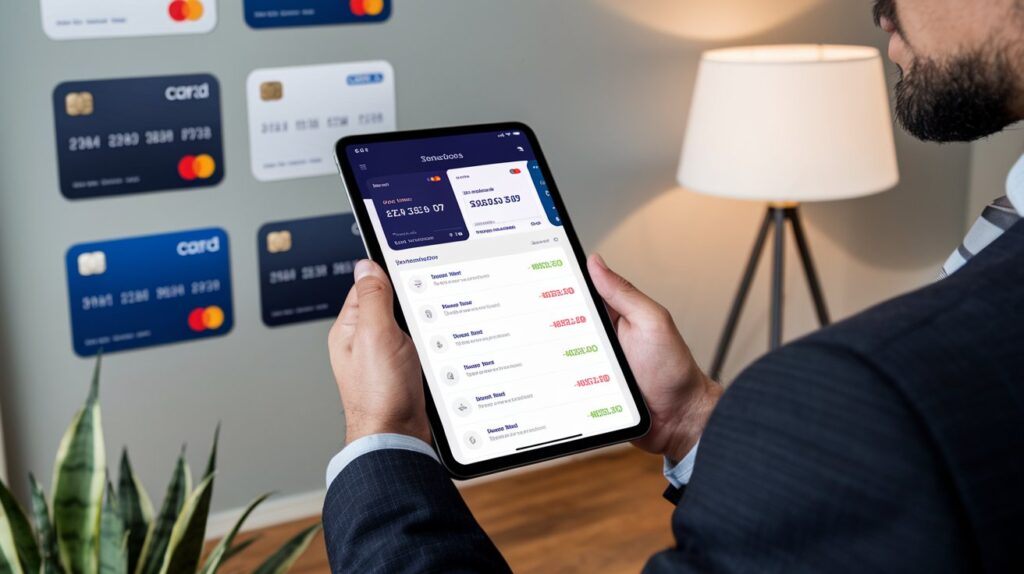
Minimizing chargebacks and fraudulent transactions is essential for maintaining a healthy merchant account and building a trusted relationship with your payment processor. High chargeback ratios and fraud can harm a business’s reputation, lead to increased processing fees, and even result in account suspension. Here’s a step-by-step guide to effectively reducing chargebacks and preventing fraud, covering best practices and key preventative measures.
Step 1: Understand Why Chargebacks and Fraud Occur
Start by understanding the root causes of chargebacks and fraudulent transactions. Chargebacks generally occur for the following reasons:
- Customer dissatisfaction due to product quality, delivery issues, or misleading advertising
- Unauthorized transactions, where customers dispute a charge they did not recognize or authorize
- Technical issues in the transaction process, such as double billing or incorrect amounts
- Fraudulent purchases, where criminals use stolen credit cards or account details
Understanding these reasons will help you address and mitigate each type with tailored measures.
Step 2: Implement Strong Fraud Prevention Measures
To combat fraudulent activity effectively, employ multiple fraud prevention techniques. Here are some best practices:
- Use Address Verification System (AVS): AVS compares the billing address provided by the customer to the address on file with the credit card issuer. Transactions where the addresses do not match can be flagged for further review.
- Enable Card Verification Value (CVV) Checks: CVV codes (the 3- or 4-digit numbers on credit cards) help confirm that the customer has the physical card in hand, reducing the risk of card-not-present fraud.
- Install Real-Time Fraud Detection Software: Fraud detection tools, often powered by machine learning, analyze transaction patterns and flag high-risk activities like unusually large purchases, repeated transaction attempts, or orders from suspicious IP addresses.
- Geolocation and IP Tracking: Monitoring the location of the IP address used in transactions can identify potentially risky transactions, especially if the purchase is from a region known for high fraud rates.
Step 3: Offer Clear and Transparent Customer Communication
Misunderstandings and lack of information can lead to preventable chargebacks. Create a clear, transparent communication strategy with customers to avoid confusion and ensure their expectations are met.
- Clarify Product and Service Details: Describe your products or services thoroughly, including specifications, price, return policies, and shipping times. Ensure that any potential limitations or conditions are easy to understand.
- Provide Easy-to-Find Contact Information: Make it simple for customers to contact support with questions, complaints, or to report issues with their purchase. Proactively resolving these issues can prevent chargebacks.
- Email Receipts and Confirmations: Send a clear, itemized receipt to customers, and include order and shipping confirmations. This helps customers recognize your business on their statements.
Step 4: Optimize Your Payment and Checkout Process
A secure and well-designed payment process can reduce errors and fraudulent activity. Focus on optimizing both the security and user experience.
- Display Business Name Consistently: Make sure your business name on the checkout page matches the one on customers’ bank statements. Mismatches often cause confusion and increase the likelihood of chargebacks.
- Provide a Detailed Confirmation Page: Before finalizing the purchase, show a summary that includes item details, pricing, shipping costs, and estimated delivery dates. Confirming these details can reduce buyer’s remorse and prevent disputes.
- Enable Multi-Factor Authentication (MFA): Multi-factor authentication requires customers to provide additional verification, like a one-time code sent to their phone, adding an extra layer of security.
Step 5: Monitor and Analyze Transaction Patterns
Continuous monitoring of transactions can help detect patterns that indicate potential fraud, such as high refund requests or frequent purchases from a specific IP address.
- Set Transaction Limits: Define spending limits for certain transaction categories. For instance, setting a maximum dollar amount or volume per transaction can help catch suspicious, high-value purchases that could lead to chargebacks.
- Monitor Chargeback Ratios: Regularly check your chargeback rate and compare it against industry standards. A lower chargeback ratio indicates better transaction health and may lower your processing fees over time.
- Review Recurring Billing Transactions: For subscription services, monitor recurring transactions closely. If customers frequently dispute subscription charges, re-evaluate the billing practices, renewal notifications, and cancellation policies.
Step 6: Use Chargeback Prevention Alerts
Several services, like Verifi’s CDRN and Ethoca’s alerts, notify merchants when a customer initiates a dispute, allowing you to resolve the issue before it escalates into a chargeback.
- Enroll in Chargeback Alerts Programs: When you receive a notification about a dispute, reach out to the customer to resolve it directly. This can help you issue refunds proactively rather than having a formal chargeback on record.
- Utilize Dispute Management Software: Some providers offer end-to-end solutions that streamline the chargeback dispute process. These platforms help merchants automate responses to disputes and improve the chances of winning cases.
Step 7: Provide Robust Customer Service and Follow-Up
Superior customer service can help resolve issues before they escalate to chargebacks, building trust and loyalty in the process.
- Respond to Customer Queries Quickly: Have a responsive, friendly support team in place to handle complaints, answer questions, and process returns. Aim to resolve customer issues within 24 hours whenever possible.
- Offer Clear Return and Refund Policies: Outline your return and refund policy on the website, product pages, and during checkout. Providing a straightforward return process will reduce the number of chargebacks caused by dissatisfaction.
- Follow Up with Customers Post-Purchase: Sending a follow-up message to confirm satisfaction can help identify potential issues. If there’s a problem, you can address it directly rather than through a chargeback.
Step 8: Review and Update Policies Regularly
As fraud trends evolve, staying ahead means reviewing and updating your policies and practices to ensure they’re effective.
- Assess and Adjust Fraud Detection Tools: Regularly audit the performance of fraud detection software and make necessary updates to improve accuracy.
- Keep Return and Refund Policies Up-to-Date: Review these policies based on customer feedback and any recurring issues with chargebacks. Make adjustments if certain products or services frequently trigger disputes.
- Update Compliance with Payment Processors: Ensure your practices align with processor guidelines. Different processors have varying risk tolerance levels, and adjusting your strategy can improve approval rates.
Step 9: Document and Use Chargeback Insights
Every chargeback provides valuable information that can help refine your approach. Track and categorize chargebacks to identify trends or recurring issues.
- Categorize Chargebacks by Reason Codes: Analyze chargebacks to understand the reasons behind them, such as fraud, customer dissatisfaction, or processing errors. Each reason code can provide insights into how to address underlying issues.
- Implement Process Improvements Based on Insights: Use chargeback analysis data to refine procedures. For example, if disputes arise from product misunderstandings, consider updating product descriptions or using clearer visuals on product pages.
- Educate and Train Your Team: Share these insights with employees to ensure customer service, sales, and fraud prevention teams are aligned on best practices.
Conclusion
Reducing chargebacks and preventing fraudulent transactions require a holistic approach that combines technology, strong policies, and customer-centric practices. By following this guide, merchants can build a proactive strategy to avoid the operational and financial pitfalls associated with chargebacks and fraud. A well-implemented chargeback prevention strategy can protect your business reputation, improve customer satisfaction, and lower processing costs, helping your business run smoothly and profitably.