


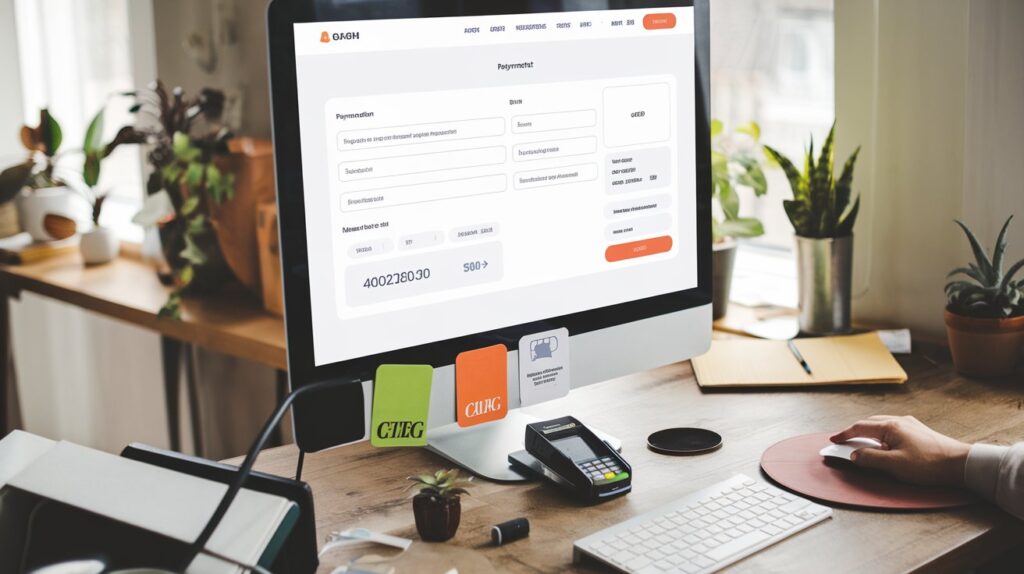
In today’s fast-evolving digital economy, white-label payment gateways have emerged as a cornerstone of financial infrastructure. They empower businesses to offer customized, branded payment solutions without the time, cost, and expertise needed to build a system from scratch. This market has seen significant growth, driven by increasing e-commerce penetration, fintech innovation, and the demand for seamless and secure payment solutions.
This article explores the dynamics of the white-label payment gateway market, including its growth drivers, key players, challenges, and future trends.
- What is a White-Label Payment Gateway?
A white-label payment gateway is a pre-built platform that businesses can rebrand as their own. It enables merchants to process payments online through various methods, including credit cards, debit cards, digital wallets, and bank transfers.
Key Features:
- Customizable branding to reflect a business’s identity.
- Integration with multiple payment methods and currencies.
- Advanced security protocols for safe transactions.
- Scalability to accommodate business growth.
- Market Growth Drivers
The white-label payment gateway market is expanding at a rapid pace, driven by several factors:
- Rising E-Commerce Transactions
E-commerce sales are booming globally, with consumers increasingly relying on online shopping. Businesses need payment solutions that are scalable, secure, and versatile, making white-label gateways an attractive choice.
- Increasing Fintech Adoption
Startups and financial institutions are leveraging fintech innovations to offer new-age payment solutions. White-label gateways provide a plug-and-play infrastructure that accelerates time-to-market.
- Demand for Global Payment Solutions
Cross-border commerce is on the rise, and white-label gateways cater to this need with support for multiple currencies and localized payment methods.
- Cost-Effectiveness
Building a payment gateway from scratch requires significant investment in technology, compliance, and infrastructure. White-label solutions provide a cost-effective alternative without compromising on functionality.
- Key Players in the Market
The market comprises established players and emerging providers that offer diverse capabilities. Some notable white-label payment gateway providers include:
- Payrix: Specializes in customizable payment solutions for SaaS platforms.
- Stripe Connect: Offers a powerful API for seamless payment integrations.
- Adyen: Focused on global scalability and omnichannel payment options.
- Square: Provides a simplified platform for businesses of all sizes.
- Braintree: Known for its flexibility and robust developer tools.
These providers cater to different market segments, from startups to large enterprises, ensuring there’s a solution for every need.
- Challenges in the White-Label Payment Gateway Market
Despite its growth, the market faces several challenges:
- Security Concerns
White-label solutions handle sensitive financial data, making them a target for cyberattacks. Providers must implement robust security measures like encryption, tokenization, and fraud prevention.
- Regulatory Compliance
Navigating global payment regulations is complex, with requirements like PCI DSS, GDPR, and PSD2 varying by region. Non-compliance can lead to fines and reputational damage.
- Competition
The market is saturated with numerous providers, leading to intense competition and pricing pressure. Differentiation becomes crucial for success.
- Integration Complexity
Integrating a white-label gateway with existing systems can be challenging, especially for businesses with legacy infrastructure.
- Regional Insights
The adoption of white-label payment gateways varies by region, influenced by local market dynamics and technological infrastructure:
- North America
- The largest market for white-label gateways.
- High adoption rates of fintech and e-commerce solutions.
- Regulatory compliance like PCI DSS is well-established.
- Europe
- A rapidly growing market due to PSD2 regulations and open banking.
- Increasing use of digital wallets and contactless payments.
- Asia-Pacific
- The fastest-growing region, driven by mobile payments and e-commerce in countries like China, India, and Southeast Asia.
- High demand for cross-border payment solutions.
- Middle East and Africa
- Emerging market with significant potential, especially in mobile payments and digital wallets.
- Investments in fintech are driving growth.
- Future Trends in the White-Label Payment Gateway Market
- AI-Driven Payment Solutions
Artificial intelligence is being integrated into payment gateways for fraud detection, personalized user experiences, and transaction analytics.
- Cryptocurrency Integration
With growing interest in digital currencies, white-label gateways are beginning to support cryptocurrency payments, offering a competitive edge.
- Expansion of BNPL (Buy Now, Pay Later)
BNPL options are gaining popularity, and white-label providers are incorporating these features to cater to consumer demand.
- Real-Time Payments
Instant payment capabilities are becoming a standard, especially for cross-border transactions, improving cash flow for businesses.
- API-First Approach
Providers are focusing on API-driven architectures to offer greater flexibility and integration options for businesses.
- Strategies for Success in the Market
- Differentiation Through Features
- Offer unique features like advanced analytics, loyalty programs, or subscription management.
- Focus on Scalability
- Ensure the platform can handle increasing transaction volumes and geographical expansion.
- Enhanced User Experience
- Prioritize a seamless, intuitive interface for both merchants and end-users.
- Invest in Security and Compliance
- Stay updated with the latest security protocols and regulatory standards.
Conclusion
The white-label payment gateway market is poised for continued growth as businesses seek cost-effective, scalable, and secure payment solutions. While challenges like compliance, security, and integration persist, innovations such as AI, cryptocurrency support, and real-time payments are shaping the future of the industry.
By addressing these challenges and embracing emerging trends, businesses can harness the power of white-label payment gateways to deliver tailored, high-performing payment solutions that meet the demands of a dynamic global economy.