


Introduction
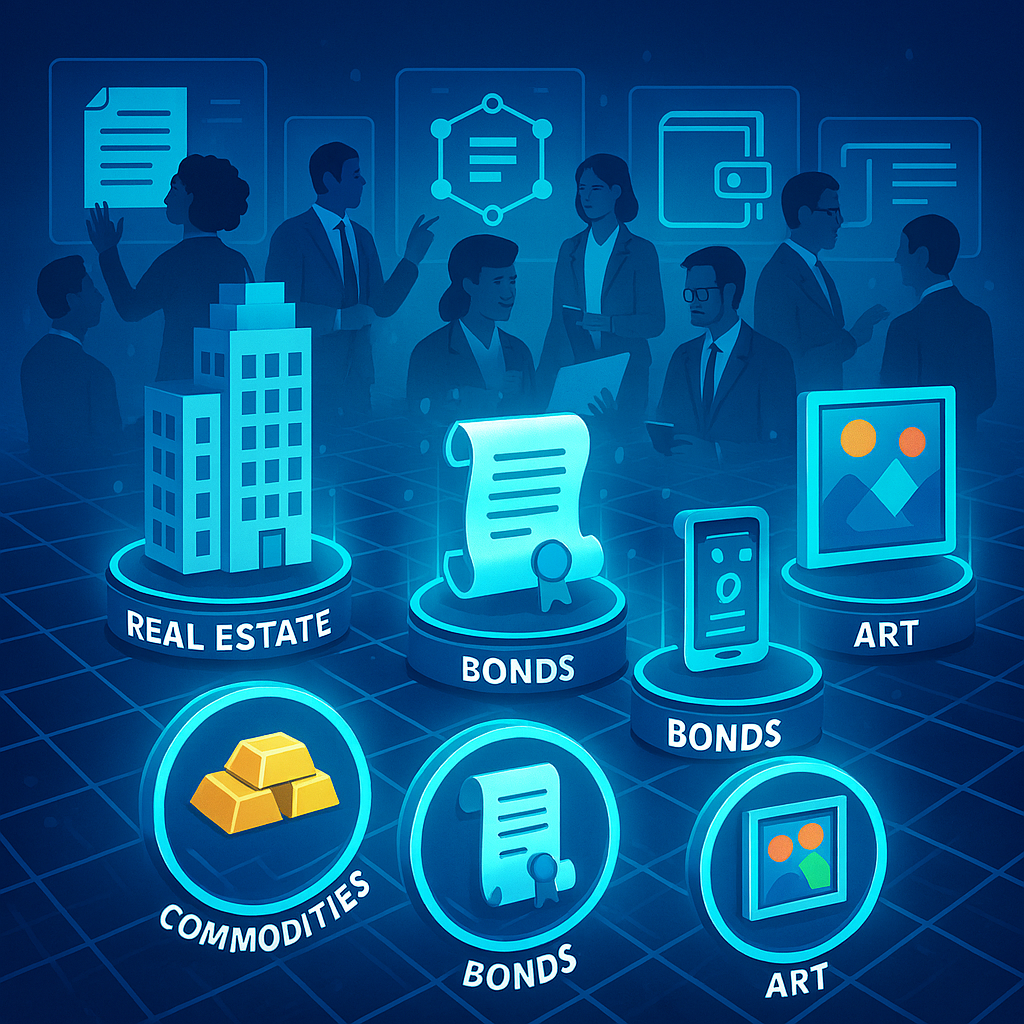
As blockchain matures, the concept of RWA tokenization—converting real-world assets like real estate, bonds, or art into digital tokens—is moving from experimental to institutional. Now, major asset managers and governments are piloting tokenized bonds, private credit, and commercial property offerings. Yet the critical question remains: Is RWA tokenization ready to scale at global scale, or are structural and regulatory hurdles still too high? This article explores the opportunity, challenges, and future path of asset tokenization for real-world assets.
What Is RWA Tokenization—and Why It Matters
At its core, RWA tokenization leverages blockchain technology to represent ownership or value of physical or traditional financial assets—such as property, equity, or debt—through digital tokens. This shift dramatically enhances liquidity, enables fractional ownership, and reduces transaction costs. For example, tokenizing real estate allows multiple smaller investors to gain exposure to high-value properties, while institutional investors gain access to continuous settlement capabilities via smart contracts.
Moreover, tokenized instruments like digital bonds have cut settlement cycles from days to hours, further demonstrating operational efficiency.
Regulatory Headwinds and Legal Uncertainty
Despite potential benefits, RWA tokenization faces significant legal and regulatory complexity. Jurisdictions differ on whether tokenized assets count as securities, property, or new asset classes—which affects disclosure, taxation, and permissible investors. Furthermore, critics warn that many synthetic-token schemes obscure real ownership, creating legal ambiguity and systemic risk.
Regulators in the U.S., EU, and Asia are crafting frameworks—such as pilot regimes and tokenization registries—but full clarity remains elusive. While the U.S. SEC’s tokenization initiatives signal growing institutional support for tokenized securities, oversight expectations are tightening rather than easing.
Technological and Market Readiness
True scalability requires robust infrastructure. RWA tokenization demands real-time pricing oracles, custody solutions, smart contract security, and valuation protocols aligned with traditional markets. Custody and legal ownership verification—especially for unique assets like art or patents—remains a persistent challenge.
Meanwhile, despite hype around liquidity gains, actual secondary trading volumes for tokenized assets remain low in many segments, limiting investment utility.
Institutional Momentum: Where Adoption Is Real
Despite headwinds, institutional momentum behind RWA tokenization builds fast:
-
Securitize has issued billions in tokenized assets, working with entities like BlackRock and Apollo to digitize entire funds and private credit portfolios.
-
Elevated Returns led one of the first major tokenized real estate deals: Aspen’s St. Regis Resort, fractionalized for accredited investors and tradable onchain.
These high-profile examples signal growing infrastructure confidence, especially as major custodians partner with crypto firms to offer token issuance and administration services.
What Holds Tokenization Back?
Key structural barriers continue to limit the scale of real-world asset (RWA) finance. Regulatory fragmentation across jurisdictions makes global interoperability difficult, creating complications for cross-border transactions. Valuing illiquid assets like real estate or art remains complex, as accurate pricing frameworks are still evolving. Security risks also pose a major challenge—smart contract vulnerabilities, custody breaches, and oracle failures can all lead to significant asset losses. Meanwhile, a user trust gap persists, with both retail and institutional investors requiring more education and transparency around asset verification and custodial processes.
Although projections suggest token markets could exceed $2 trillion by 2030, these challenges must be addressed through structural reforms before meaningful scale is achievable.
Where Tokenization Works Today
-
Real estate platforms enable fractional ownership and trading of tokenized properties, lowering entry barriers and enabling portfolio diversification.
-
Green bonds and treasuries onchain shorten settlement cycles and reduce issuance costs while improving audit transparency.
-
Commodity and collectible tokens democratize access to rare assets (e.g. fractional gold or artwork) via blockchain-backed ownership records.
These use cases show how granular asset classes can benefit from tokenization, though the model still struggles to reach mainstream liquidity and mass adoption beyond niche markets.
Path to Scalable Adoption
To support widespread RWA tokenization, stakeholders must:
-
Standardize token protocols and legal frameworks across borders.
-
Improve technology: robust smart contracts, secure oracles, interoperable blockchains.
-
Educate users and partners on ownership, verification, and trust mechanisms.
-
Build trusted custodial and legal entities behind token issuance and operations.
-
Enable regulated secondary markets with transparent price discovery and liquidity.
Platforms like Securitize and state-backed efforts in the EU and U.S. are already working in this direction.
Mixed Models: When Fintech Firms Bridge TradFi and DeFi
A hybrid future may emerge: traditional financial institutions issuing tokenized funds and partners bridging DeFi access securely. Fintech and blockchain players act as middleware—connecting legacy assets with decentralized liquidity and programmable contracts.
Meanwhile, smart regulatory design can allow renewable finance, RWA lending, and fractional infrastructure to scale responsibly.
Final Thoughts
Real-world asset tokenization presents one of the most promising innovation opportunities in finance. RWA tokenization has the power to democratize access, unlock liquidity, and streamline capital flows globally. Yet scaling beyond pilot use cases demands tackling regulatory fragmentation, governance, and technological robustness head-on.
As adoption by institutions accelerates and regulations evolve, tokenization could redefine capital markets. But until infrastructure, legal clarity, and market practices mature, its potential remains aspirational rather than ubiquitous. The question today is not if RWA tokenization matters—but whether it’s ready for prime time.