


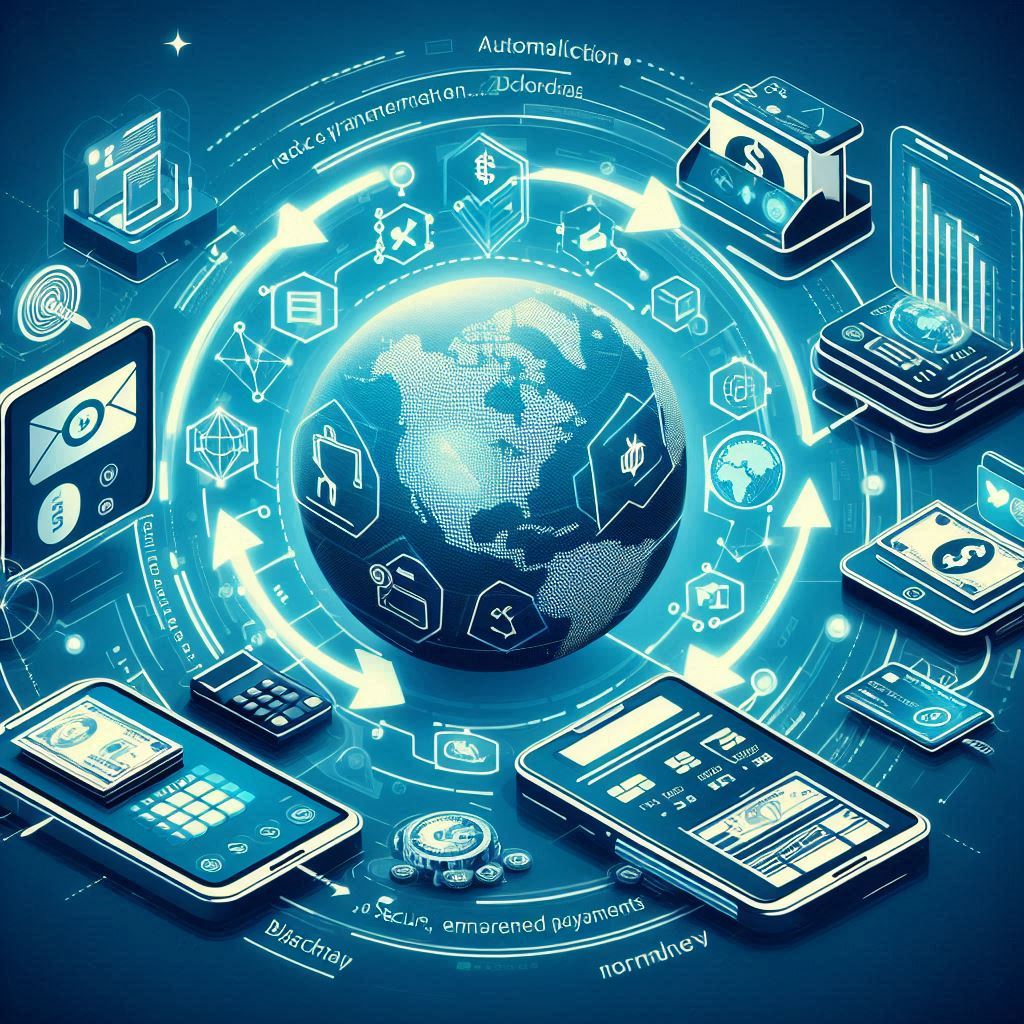
Business-to-business (B2B) payments are transactions made between companies for goods or services. Unlike consumer payments, B2B transactions often involve larger amounts, complex processes, and specific terms like invoices or purchase orders. These payments are essential for industries such as manufacturing, wholesale, and professional services.
With advancements in technology, B2B payments are evolving from traditional methods to streamlined, digital-first solutions. This evolution ensures faster processing, enhanced security, and better financial management for businesses worldwide.


Understanding B2B Payments
B2B payments occur in various forms, including one-time payments for goods, recurring invoices for services, or subscription fees for software. Examples include a retailer purchasing inventory from a supplier or a company subscribing to a cloud service provider.
Traditional B2B payment methods like checks or bank transfers are still in use but are gradually being replaced by digital solutions. These innovations simplify processes, reduce errors, and enhance the overall transaction experience for businesses.
Traditional vs. Modern B2B Payment Methods
In the past, businesses relied heavily on checks and wire transfers to complete transactions. While these methods are secure, they are often slow and costly, especially for international payments.
Modern methods have changed the game:
- Automated Clearing House (ACH): ACH payments are cost-effective and efficient for recurring transactions.
- Credit Cards: Widely accepted but often involve high fees.
- Digital Payment Platforms: Tools like PayPal, Stripe, and Venmo provide fast and user-friendly options.
- Blockchain Solutions: Technologies like Ripple and Ethereum enable secure, low-cost cross-border payments.
Key Features of Evolving B2B Payment Systems
The shift to modern B2B payment solutions brings innovative features designed to improve efficiency:
- Automation: Automation eliminates manual tasks like invoice processing and payment scheduling. Platforms like QuickBooks and SAP streamline financial workflows.
- Real-Time Payments: Real-time systems allow businesses to process transactions instantly, ensuring quicker cash flow.
- Integration with ERP Systems: Payment solutions now integrate seamlessly with enterprise resource planning (ERP) software, enabling centralized financial management.
- Support for Global Transactions: With businesses increasingly operating globally, payment systems now support multi-currency transactions and compliance with international regulations.
Technological Innovations Driving B2B Payments
Several emerging technologies are reshaping how B2B payments work.
- Blockchain Technology: Blockchain ensures transparency, reduces fraud risks, and eliminates intermediaries, which can lower costs.
- Artificial Intelligence (AI): AI-driven systems enhance fraud detection, automate reconciliation, and provide predictive insights for cash flow management.
- API Integrations: APIs enable businesses to integrate payment capabilities directly into their existing tools, creating a smoother workflow.
- Mobile Solutions: Mobile payment platforms allow businesses to make and receive payments securely, even while on the go.
Benefits of Modern B2B Payment Systems
Adopting modern payment systems offers numerous advantages for businesses:
- Faster Transactions: Real-time processing eliminates the delays associated with traditional methods.
- Improved Financial Management: Automation and real-time updates help businesses manage cash flow more effectively.
- Enhanced Security: Features like tokenization, encryption, and multi-factor authentication protect sensitive financial data.
- Scalability: Digital solutions can handle increased transaction volumes, making them suitable for growing businesses.
Challenges in B2B Payments
Despite their advantages, modern payment systems come with challenges.
- Fragmentation: With so many payment platforms available, businesses may struggle to choose the right one.
- Regulatory Compliance: Cross-border transactions often involve complex legal and tax requirements.
- Cybersecurity Risks: As payment systems go digital, they become potential targets for cyberattacks, requiring robust security measures.
Trends Shaping the Future of B2B Payments
The future of B2B payments is being shaped by several key trends:
- Embedded Finance: Payment capabilities are integrated directly into business tools like CRMs, reducing friction.
- Buy Now, Pay Later (BNPL): BNPL solutions allow businesses to manage cash flow by extending payment terms.
- Decentralized Finance (DeFi): Blockchain-based solutions eliminate intermediaries, cutting costs and improving transparency.
- Sustainability: The move to digital payments supports paperless transactions, aligning with eco-friendly practices.
How Businesses Can Adapt to Changing B2B Payments
To stay competitive, businesses must embrace these changes proactively.
- Invest in Technology: Modern payment platforms with automation, blockchain, and AI can optimize operations.
- Enhance Security: Businesses should implement measures like encryption and multi-factor authentication to safeguard financial data.
- Adopt Scalable Solutions: Choose systems capable of growing with your business needs.
- Stay Updated on Trends: Regularly monitor industry developments to keep up with innovations and regulations.
Conclusion
B2B payments are undergoing a remarkable transformation, driven by technology and changing business needs. Modern solutions offer speed, security, and scalability, helping companies thrive in a competitive marketplace. By understanding and adopting these advancements, businesses can streamline their payment processes and position themselves for future success.