


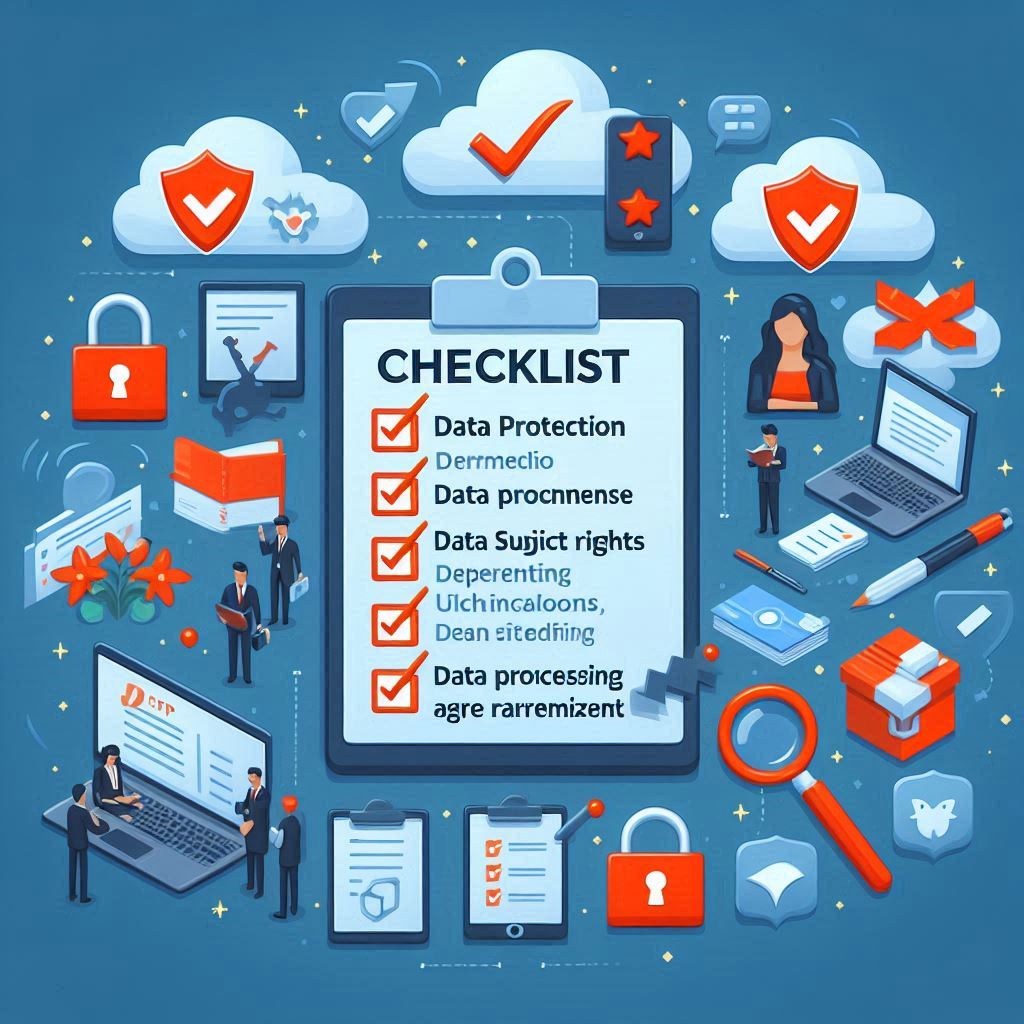


1. Understanding GDPR and Payment Gateways
Payment gateways are essential for processing online transactions, handling sensitive financial and personal data. Under GDPR, businesses must ensure that their payment gateways comply with data protection principles to avoid hefty fines and reputational damage.
2. Data Controller vs. Data Processor
Under GDPR, businesses must distinguish between data controllers and data processors:
- Data Controller: The entity that determines the purposes and means of processing personal data. If a business uses a payment gateway, it typically remains the data controller.
- Data Processor: The entity that processes data on behalf of the data controller. Payment gateway providers often act as data processors.
Businesses must ensure that data processing agreements (DPAs) are in place with payment gateway providers, specifying the data processing terms and conditions.
3. Data Processing Agreements (DPAs)
A DPA is a legal contract between a data controller and a data processor. It outlines how personal data will be handled, ensuring compliance with GDPR. Key elements include:
- Purpose and Scope: Clear definition of the processing activities and the data involved.
- Security Measures: Specifications on the technical and organizational measures to protect data.
- Sub-Processors: Disclosure of any third parties involved in processing the data and their compliance status.
- Data Subject Rights: The gateway provider will help fulfill data subject rights, including access and deletion requests, by implementing efficient mechanisms. This ensures compliance with GDPR and effectively addresses individuals’ data rights.
4. Data Security
GDPR mandates stringent data security measures to protect personal data from breaches. Payment gateways must implement robust security protocols, including:
- Encryption: Protecting data in transit and at rest with strong encryption techniques.
- Access Controls: Limiting access to personal data to authorized personnel only.
- Regular Audits: Conducting periodic security audits to identify and address vulnerabilities.
5. Data Minimization and Purpose Limitation
GDPR requires that personal data collected must be adequate, relevant, and limited to what is necessary for the processing purpose. Payment gateways should:
- Collect Only Necessary Data: Avoid collecting excessive personal information.
- Specify Data Use: Clearly define and communicate the purpose of data collection to users.
6. Data Subject Rights
GDPR grants individuals various rights regarding their personal data, including:
- Right to Access: Users can request access to their personal data and obtain copies.
- Right to Rectification: Users can request correction of inaccurate or incomplete data.
- Right to Erasure: Users can request deletion of their data when it is no longer necessary for processing.
- Right to Data Portability: Users can request transfer of their data to another provider.
- Right to Object: Users can object to processing based on legitimate interests.
Payment gateways must have procedures to accommodate these rights efficiently.
7. Breach Notification
In case of a data breach, GDPR requires the following:
- Notification to Supervisory Authorities: Report breaches to relevant authorities within 72 hours of becoming aware.
- Notification to Affected Individuals: Inform affected individuals if the breach poses a high risk to their rights and freedoms.
Payment gateways must have incident response plans in place to handle data breaches promptly.
8. Cross-Border Data Transfers
GDPR imposes restrictions on transferring personal data outside the EU. Payment gateways that transfer data internationally must ensure:
- Adequate Protection: Data transfers to non-EU countries must be protected under mechanisms like Standard Contractual Clauses (SCCs) or Binding Corporate Rules (BCRs).
9. Vendor Management
Businesses should assess the GDPR compliance of payment gateway providers. This includes:
- Due Diligence: Evaluating providers’ data protection practices and their adherence to GDPR.
- Ongoing Monitoring: Regularly reviewing the compliance status of payment gateway providers.
10. Documentation and Accountability
GDPR emphasizes the importance of documentation and accountability. Businesses must:
- Maintain Records: Keep detailed records of processing activities involving personal data.
- Conduct Impact Assessments: Perform Data Protection Impact Assessments (DPIAs) for high-risk processing activities.
Conclusion
Compliance with GDPR is crucial for businesses using payment gateways in Europe. Ensuring proper data processing agreements, implementing strong security measures, and addressing data subject rights are essential steps in protecting personal data and avoiding regulatory penalties. By prioritizing GDPR compliance, businesses can build trust with their customers and safeguard their operations against data protection breaches.