


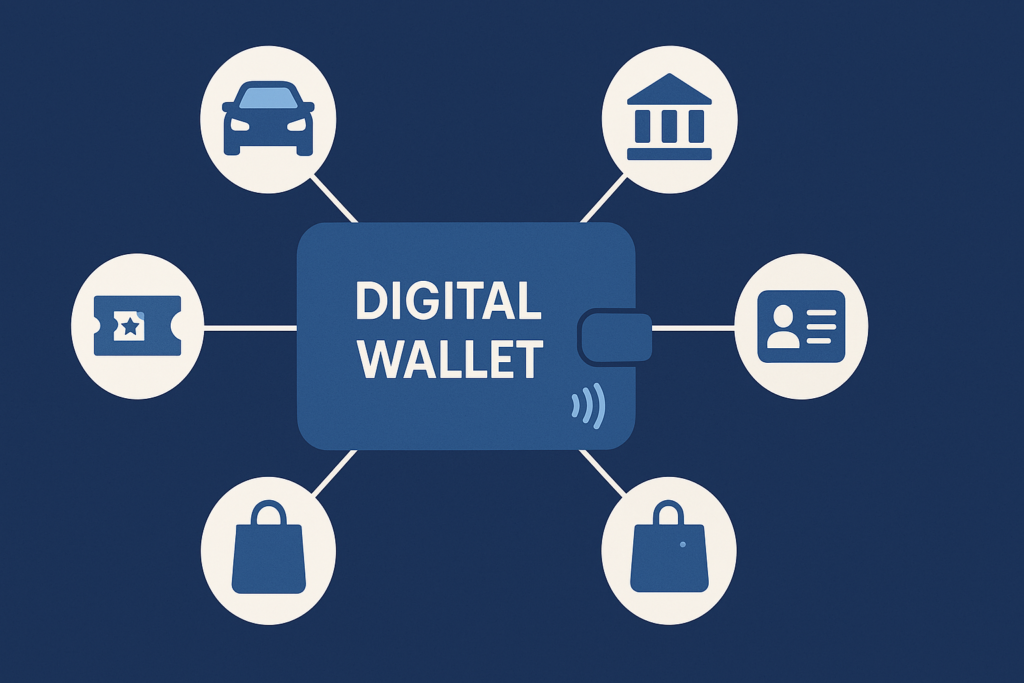
In the last decade, digital wallets have evolved from simple payment tools into smart platforms. Today, they hold not only money but also loyalty cards, identity tokens, metro passes, crypto keys, and even investment accounts. As users continue to rely on them for everyday needs, an important question now arises: Can digital wallets become the next super app infrastructure layer?
With everything from online shopping to P2P payments flowing through these platforms, digital wallets are poised to serve as the universal interface of the connected economy. But how realistic is this leap? Let’s explore how digital wallets are expanding, the infrastructure changes behind the scenes, and why they could shape the future of app ecosystems.
From Payments to Platforms: The Wallet’s Expanding Role
Digital wallets started by simplifying one function—payments. However, because users needed more convenience, wallets quickly integrated other services. For instance, Apple Wallet, Google Wallet, and Paytm all began offering ticketing, rewards, and peer-to-peer payments. Over time, the app became a daily access point.
As people stored more in these wallets, their expectations also grew. Consequently, digital wallets began partnering with banks, transit authorities, merchants, and even insurers. Now, instead of jumping between apps, users can complete a variety of tasks inside a single wallet.
Because of these developments, we are witnessing the formation of platform layers, where digital wallets aren’t just apps but act more like gateways to many other services. In this way, they’re becoming similar to how super apps function in markets like China or Southeast Asia.
What Makes a Super App—and Why Wallets Might Fit
Super apps are defined by their ability to host many services inside one experience. Take WeChat or Grab as examples. Both allow users to chat, pay, shop, book rides, order food, invest, and more—without ever switching apps.
This model works because of three key capabilities:
-
A strong base utility (like messaging or payments),
-
A large, engaged user base, and
-
An ecosystem of third-party services that plug into it.
Digital wallets already meet the first two conditions. They are trusted payment tools with millions of users. If wallets open up to third-party developers—like how operating systems do—they could build app ecosystems on top, evolving into infrastructure layers just like super apps.
Why Timing and Technology Matter
Until recently, digital wallets had limited abilities because they were tied to mobile OS constraints or narrow payment rails. However, that’s changing.
With APIs, open banking, blockchain networks, and embedded finance gaining momentum, digital wallets are becoming more flexible. Developers can now build services that link directly to wallet interfaces. At the same time, users can interact with finance, identity, and commerce tools from within one app.
Furthermore, many countries are modernizing digital ID frameworks and central bank infrastructures (like instant payments or tokenized deposits). These backend upgrades mean that wallets can integrate secure, real-time features beyond just card-based transactions.
Therefore, the timing is perfect for wallets to move from front-end tools to deep, connective infrastructure.
Market Forces Pushing Wallets to the Center
Several trends are accelerating this shift:
-
Super app fatigue: In some regions, users prefer specialized apps. However, in areas with limited bandwidth or high mobile usage, the appeal of one app doing everything remains strong.
-
Platform unbundling: Traditional super apps are breaking into smaller, focused services. Meanwhile, wallets are absorbing many of those utilities as financial, identity, and retail services blend together.
-
Merchant and developer pressure: As the demand for embedded payments, offers, and financing grows, developers are seeking one place to deploy experiences. Digital wallets can fill that role.
-
Data consolidation: Wallets already carry valuable data—spending history, identity, and preferences. With permissioned sharing, they can personalize services while respecting privacy.
Because of these forces, wallets are being pulled into roles once handled by operating systems or cloud platforms.
Pointer: Key Features That Make Wallets Super App-Ready
-
Universal user base: Wallets come pre-installed or are easily accessible in app stores, giving them a wide reach from day one.
-
Trusted financial layer: Users already trust wallets with sensitive actions like payments, identity, and biometrics.
-
One-tap onboarding: Wallets simplify how users add new cards, IDs, or apps, removing friction from starting new services.
-
Modular architecture: Through APIs and SDKs, modern wallets can allow partners to plug into their flow securely and contextually.
-
Cross-device experience: Wallets sync across mobile, wearables, browsers, and sometimes cars—extending access across everyday devices.
Will Wallets Compete or Collaborate with Super Apps?
Rather than replacing super apps, digital wallets may complement or enable them. For example, wallets could serve as the payment and identity rails inside larger platforms. At the same time, they might offer “super app kits” to businesses, helping them stitch services together without building full ecosystems.
In some cases, they might directly compete. For instance, a wallet with banking, loyalty, travel, and insurance features may reduce the need for several standalone apps. In other cases, wallets might be white-labeled and embedded within super apps to improve speed, compliance, or trust.
The interoperability layer—how well wallets work across apps, platforms, and countries—will likely determine how far this model goes. If developers can plug in easily and users can move across experiences without extra sign-ups, wallets will become the new “invisible OS” of digital life.
Regulatory and Design Challenges Ahead
However, the journey isn’t without hurdles. For wallets to become trusted infrastructure layers, they must meet certain design and regulatory expectations:
-
Privacy-first architecture: Wallets must let users control their data and choose how it’s shared across services.
-
Interoperability: Cross-platform support is essential, so wallets should work regardless of device, OS, or country.
-
Compliance and licensing: Wallets moving into lending, investing, or ID services may require licenses in every market they serve.
-
Security transparency: End-to-end encryption, fraud prevention, and biometric protections must be clearly communicated and independently audited.
Without tackling these, wallets risk becoming bloated apps rather than seamless infrastructure layers.
Final Thoughts: Infrastructure, Not Just Interface
In many ways, digital wallets are quietly becoming the next app layer—sitting between users and the services they rely on daily. They are evolving from interfaces for payments to infrastructure for digital life.
Just like cloud platforms host services behind websites, wallets may soon host apps behind taps, scans, and biometric verifications. This subtle shift could reshape how fintech, identity, and commerce are built.
So, while not every wallet will become a super app, the most successful ones will offer super capabilities—powering ecosystems instead of trying to control them.