


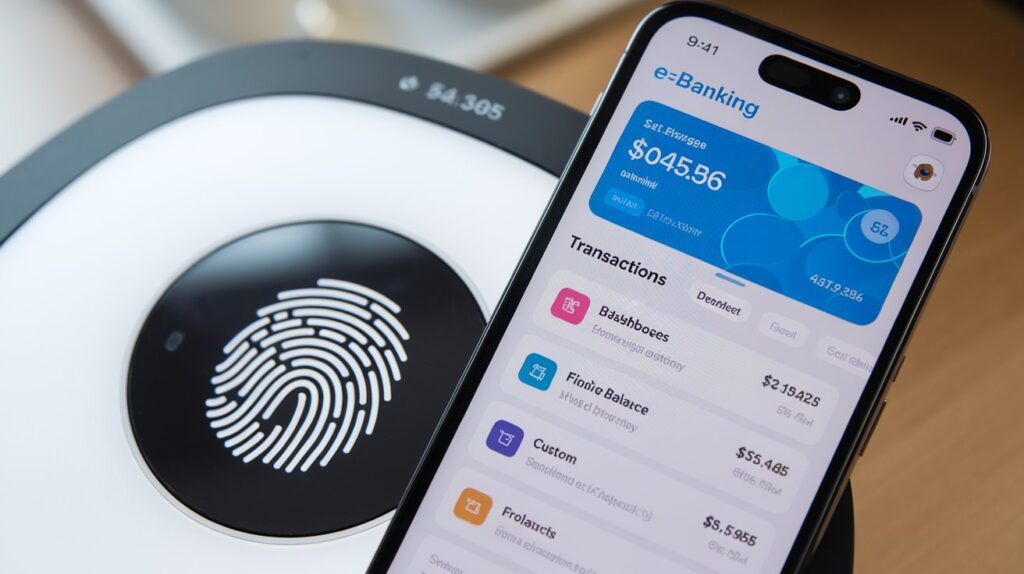
In the fast-evolving world of digital banking, small and medium enterprises (SMEs) are presented with a unique opportunity to adopt eBanking apps that can drastically improve customer experiences, reduce costs, and scale their businesses efficiently. With the rise of white label eBanking apps, SMEs can now offer their own branded digital banking solutions tailored to their specific needs. This article explores how personalized customer experiences, cost efficiency, scalability, and robust security practices can transform the digital banking landscape for SMEs, enhancing both customer loyalty and operational efficiency.
Why White Label eBanking Apps are Essential for SMEs
Digital transformation is no longer an option but a necessity for SMEs, especially when it comes to financial services. With customer expectations shifting toward seamless and personalized digital experiences, offering a white label eBanking app allows SMEs to not only meet these demands but also provide a highly customized platform to enhance customer satisfaction.
Personalized Customer Experience: The Key to Success
Personalization is at the core of successful customer engagement. Consumers today expect banks and financial services providers to understand their needs, preferences, and behaviors. A white label eBanking app offers SMEs the ability to tailor their digital services to fit the unique needs of their customers.
With white label eBanking apps, SMEs can:
- Customize interfaces: Brand the app with logos, colors, and a user-friendly design to reflect the company’s identity, creating a seamless brand experience for users.
- Personalized product offerings: Based on data-driven insights, SMEs can offer specific financial products like savings plans, investment options, or loans suited to individual customer needs.
- Tailored notifications: Personalized alerts about account activity, spending habits, or financial advice keep users engaged and satisfied.
This customization not only improves the user experience but also builds stronger customer relationships, increasing satisfaction and retention.


One of the most significant advantages of white label eBanking apps for SMEs is cost efficiency. Developing a banking app from scratch requires a hefty investment in technology, development resources, and compliance. However, white label solutions provide a ready-made platform that can be customized and scaled to meet specific business needs, significantly reducing the time and costs associated with development.
SMEs can partner with eBanking app platform providers to:
- Leverage pre-built infrastructure: Save money on the backend systems needed for smooth banking operations, such as secure transaction processing and data management.
- Reduce compliance costs: Many white label eBanking platforms are already compliant with key financial regulations, saving businesses the expense and effort of meeting these requirements independently.
- Faster time-to-market: Deploying a white label solution can be achieved in a matter of weeks, allowing SMEs to quickly offer advanced digital services without the long development cycles of custom-built apps.
In essence, SMEs can launch a fully branded digital banking experience with significantly lower overhead, allowing them to compete effectively in the digital financial space.
Scalability: Growing with Your Business
For SMEs looking to scale, white label eBanking apps provide the flexibility and scalability needed to grow alongside their business. Whether it’s handling an increasing number of customers or adding new features, Banking-as-a-Service (BaaS) eBanking apps offer the necessary tools and infrastructure to support growth.
With scalable digital banking app development, SMEs can:
- Add new services: Easily integrate new financial services like investment tools, lending options, or cryptocurrency transactions as customer demand grows.
- Expand customer reach: Offering multi-currency support and international transactions can help SMEs expand into global markets without the need for significant technical overhauls.
- Maintain high performance: Scalable solutions ensure that the platform continues to perform well even as the user base expands, providing a smooth experience for all customers.

Loyalty in the banking industry is driven by trust, convenience, and the ability to provide tailored services. By offering personalized, branded digital banking solutions, SMEs can significantly improve customer engagement, build stronger relationships, and ultimately increase loyalty.
Key strategies for boosting loyalty through white label eBanking apps include:
- Rewards programs: Implementing customer loyalty programs, such as cashback or rewards points for certain transactions, can incentivize users to remain engaged with the app.
- Regular customer feedback loops: Collecting and analyzing feedback from users allows SMEs to continuously improve their services, ensuring that customer needs are met.
- Innovative features: By providing unique, value-added services like financial health tools, SMEs can differentiate themselves from competitors and foster long-term customer loyalty.
Ensuring Security in eBanking Apps: A Guide to KYC, AML, and Biometric Authentication
Security is a top priority in the world of digital banking, particularly when it comes to eBanking app development. SMEs must ensure that their eBanking solutions not only provide personalized experiences but also adhere to stringent security protocols to protect customer data and prevent fraud.
KYC (Know Your Customer)
KYC is a regulatory requirement for all financial institutions to verify the identity of their customers before allowing them to open accounts or conduct transactions. Implementing robust KYC procedures in eBanking apps helps reduce fraud and ensure that financial services are not misused for illegal activities.
Key KYC measures include:
- Identity verification: Requiring customers to provide government-issued identification (e.g., passport or driver’s license) during the account registration process.
- Address verification: Verifying the customer’s physical address through utility bills or bank statements.
- Continuous monitoring: Regularly reviewing customer data to detect any suspicious activity.
By incorporating KYC protocols, SMEs can prevent fraudulent accounts, ensuring the integrity of their digital banking platform.
AML (Anti-Money Laundering)
AML compliance is another critical component of eBanking security. SMEs must ensure that their white label eBanking apps comply with anti-money laundering regulations to prevent illicit financial activities.
AML procedures include:
- Transaction monitoring: Analyzing customer transactions in real time to identify any suspicious patterns, such as unusually large transfers or frequent cross-border payments.
- Reporting suspicious activity: Implementing mechanisms for reporting potentially illegal transactions to the appropriate authorities.
- Customer risk assessment: Conducting risk assessments for each customer based on their transaction history and behavior.
By adhering to AML regulations, SMEs can protect themselves from legal risks while maintaining a secure environment for their customers.
Biometric Authentication: The Future of Secure Banking
As fraud prevention technologies evolve, biometric authentication is becoming a critical tool in enhancing the security of digital banking app platforms. Biometric solutions offer a seamless yet highly secure way for customers to access their accounts and perform transactions.
Key biometric technologies include:
- Fingerprint recognition: Customers can securely log into their eBanking app or authorize payments using fingerprint sensors on their smartphones.
- Facial recognition: Advanced facial recognition software ensures that only authorized users can access the app.
- Voice recognition: Some eBanking platforms now offer voice authentication, which is particularly useful for accessibility.
Biometric authentication not only improves security but also enhances the user experience by eliminating the need for cumbersome passwords or security questions. This dual benefit of convenience and safety makes it an essential feature in modern eBanking app development.
Conclusion: The Future of eBanking for SMEs
For SMEs, embracing white label eBanking apps is a strategic move that enables them to offer personalized, cost-effective, and scalable digital banking solutions. By investing in digital banking app development, SMEs can enhance customer experiences, improve loyalty, and stay competitive in a rapidly evolving financial landscape.
Moreover, ensuring the security of eBanking apps through KYC, AML, and biometric authentication is critical to protecting both businesses and their customers. As SMEs continue to adopt Banking-as-a-Service (BaaS) models and expand their digital services, focusing on these key areas will drive success in the future of digital banking.
FAQs:
Q1: What is a White Label eBanking App?
A white label eBanking app is a ready-made digital banking solution that businesses can customize and brand as their own, allowing for quick deployment and cost efficiency.
Q2: How can SMEs benefit from offering branded digital banking solutions?
SMEs can improve customer engagement, provide personalized services, and build customer loyalty by offering their own branded digital banking apps, helping them scale and compete more effectively.
Q3: What is the role of KYC in eBanking apps?
KYC ensures that financial institutions verify the identity of their customers, preventing fraud and illegal activities in digital banking platforms.
Q4: How does biometric authentication enhance eBanking app security?
Biometric authentication, including fingerprint and facial recognition, provides a secure and convenient way for users to access their accounts, reducing the risk of unauthorized access.
Q5: What is Banking-as-a-Service (BaaS)?
BaaS refers to a model where financial services are offered through APIs, enabling businesses to integrate and provide banking services without building the underlying infrastructure themselves.