


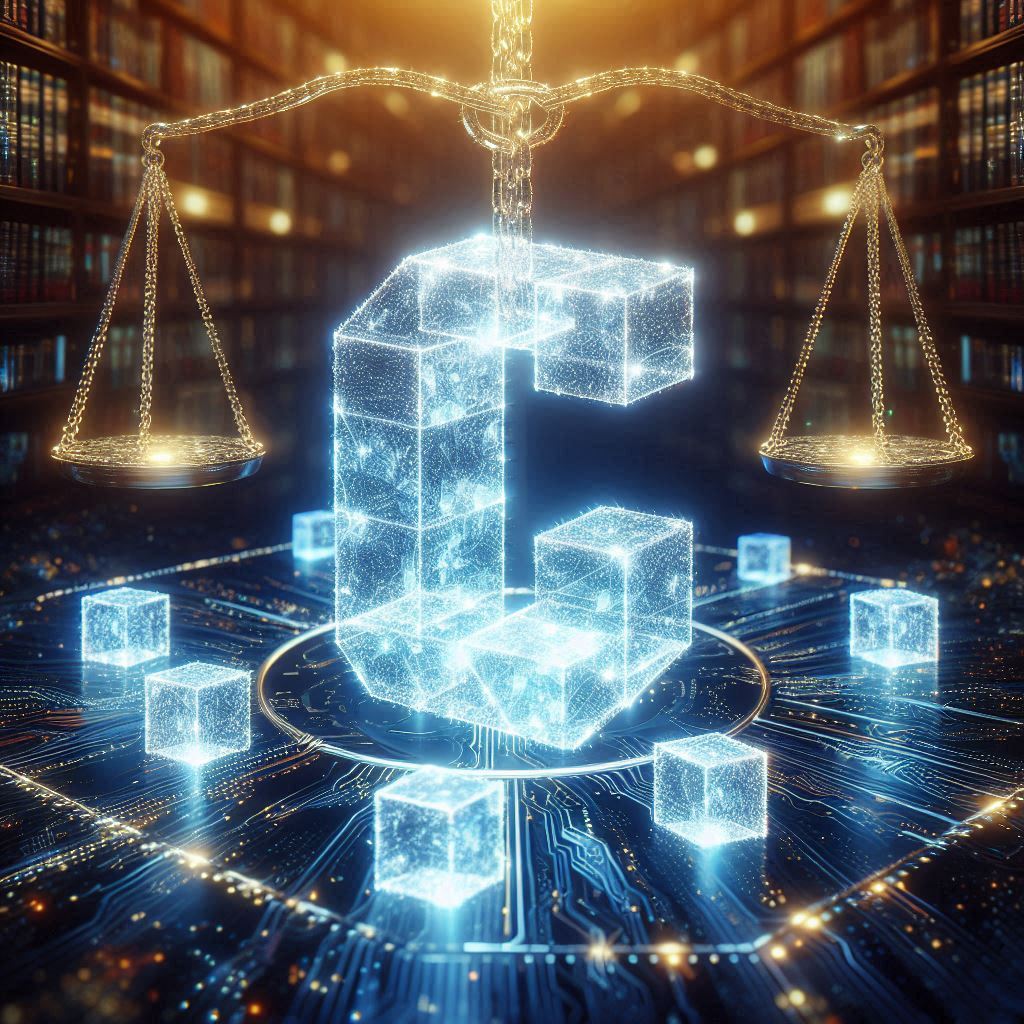
“Building Trust Without Borders: Blockchain’s Ethical Dilemma”
In a world increasingly shaped by technology, blockchain has emerged as a groundbreaking innovation, transforming industries from finance to healthcare. Known for its ability to provide transparency and immutability, Ethics Blockchain Article offers an exciting new way to manage information and transactions. However, as with any powerful tool, its ethical implications are vast and complex. How do we balance transparency—a core feature of blockchain—with the fundamental human right to privacy?
Understanding Ethics Blockchain Article
Blockchain technology operates as a decentralized ledger, recording transactions across multiple systems to ensure transparency and security. This openness is both a strength and a challenge. On one hand, transparency can combat corruption and build trust; on the other, it can expose sensitive information, leading to potential misuse.
The ethical question becomes: Can blockchain achieve transparency without sacrificing privacy?
The Case for Transparency
Transparency is one of blockchain’s most celebrated features. By making data openly accessible, blockchain can:
- Enhance trust in public institutions by making financial transactions and governmental records visible to all.
- Reduce fraud and corruption by creating an immutable record of activities.
- Empower consumers with detailed knowledge about supply chains, ensuring ethical sourcing and sustainability.
For example, companies using blockchain can trace the journey of products—such as coffee beans or diamonds—from origin to consumer, promoting ethical trade practices. Transparency fosters accountability, paving the way for a fairer global system.
The Right to Privacy
However, the same transparency that builds trust can also erode privacy. Blockchain’s immutability means that once data is entered, it cannot be altered or removed. This raises concerns such as:
- Exposure of personal information, leading to identity theft or discrimination.
- Permanent digital footprints, where sensitive data—like medical records—could be accessible indefinitely.
- Lack of anonymity, particularly in public blockchains where anyone can view transaction details.
In an era where data is often exploited for profit, maintaining privacy is not just a preference; it’s a necessity.
Finding the Balance
To navigate the ethical tightrope between transparency and privacy, blockchain developers and users must adopt responsible practices:
- Selective Transparency: Use private or permissioned blockchains that restrict access to sensitive information while maintaining openness for necessary stakeholders.
- Data Encryption: Incorporate advanced encryption methods to safeguard personal data while still allowing verification.
- Regulation and Governance: Advocate for clear legal frameworks that address ethical concerns without stifling innovation.
- User Consent: Ensure individuals have control over how their data is shared and used.
Global Implications
The ethics of blockchain are not confined to tech circles; they impact everyone. For instance:
- In developing countries, blockchain can bring financial inclusion to the unbanked population while respecting their privacy.
- In healthcare, it can ensure patient confidentiality while improving data-sharing efficiency among medical professionals.
- In education, it can authenticate degrees and certificates without exposing unnecessary personal information.
A Shared Responsibility
Balancing transparency with privacy in blockchain is not just a task for developers. It requires input from governments, organizations, and individuals. As users, we must demand ethical standards and prioritize solutions that respect both trust and confidentiality.
Conclusion
Blockchain is a double-edged sword. Its potential to create a more transparent world is matched by the risk of privacy violations. The challenge lies in developing systems that embrace both principles without compromise.
By fostering collaboration and ethical innovation, we can ensure blockchain remains a tool for empowerment rather than exploitation. After all, the true power of technology lies in its ability to serve humanity—not just through its capabilities, but through its conscience.