
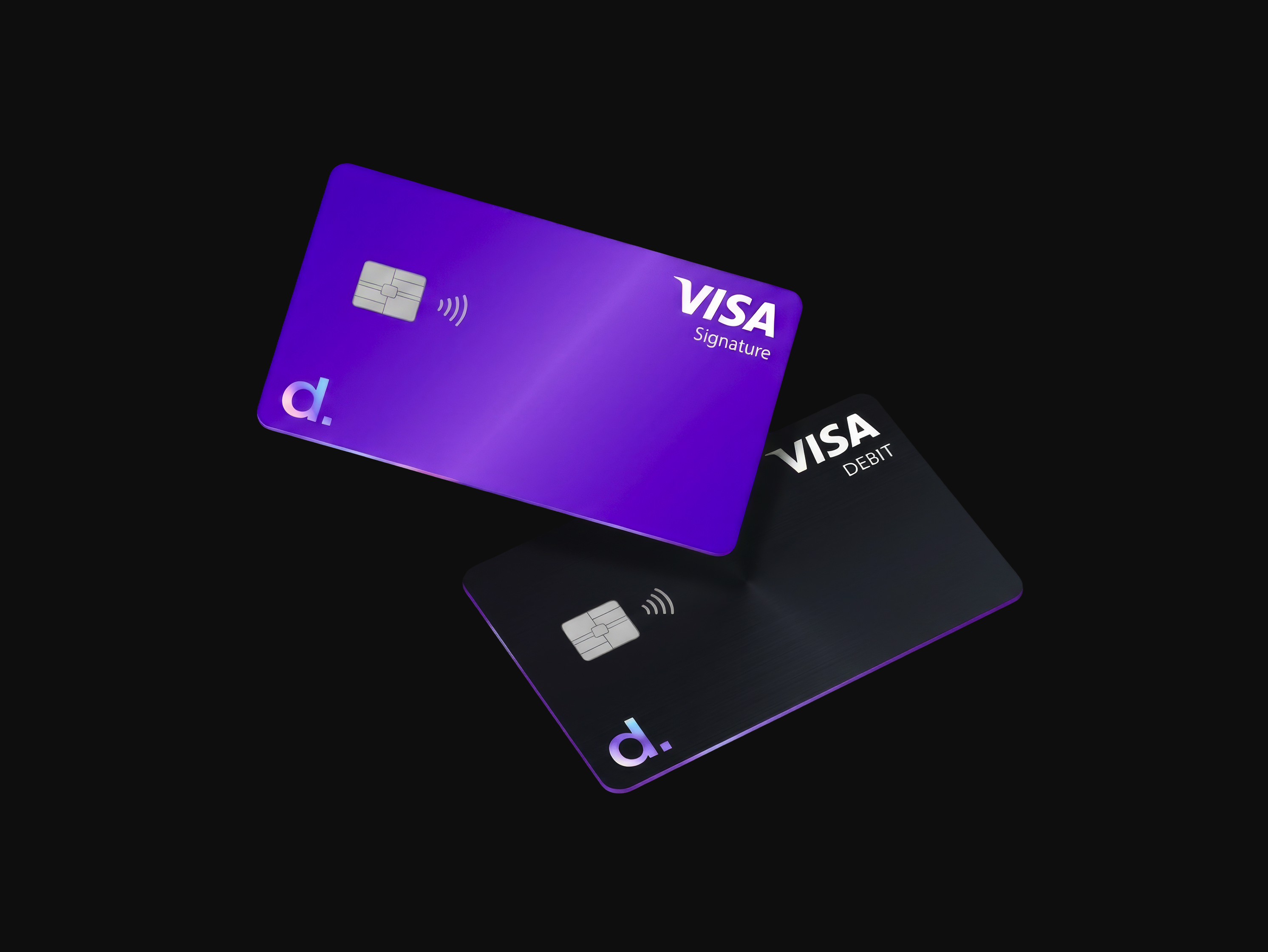
Deel has launched a new Visa card that lets contractors spend their DLUSD balances directly from the company’s platform. The Deel stablecoin card adds everyday payments to its existing digital dollar wallet, allowing eligible workers to receive earnings, hold funds, and make purchases without first transferring money to a separate exchange or banking app.
The card is available in 26 markets across Latin America, the Caribbean, and Africa. It offers up to 1.5% cashback, alongside travel and purchase protection. Deel plans to expand availability to additional markets in the coming months.
The launch builds on the stablecoin wallet introduced in June 2026. Deel says contractors have deposited more than $45 million into DLUSD balances since then. The new card gives those users a direct way to spend that money.
How the Deel Card Works
The new card draws directly from a contractor’s DLUSD balance held within Deel. Users can make online and in-store purchases wherever Visa is accepted, subject to market availability and card eligibility.
Merchants receive payment in their local currency. Contractors, meanwhile, can manage their balance, transactions, cashback, and card controls through the Deel platform.
The setup removes the need to move funds to a separate crypto exchange or payment app before spending. It also connects the payment experience to the same platform where contractors receive their earnings.
Eligible contractors who have completed Deel’s verification process can activate the card by accepting the cardholder terms. They do not need to open a separate bank account or submit a separate application.
Virtual cards are available at launch. Users can add them to Apple Pay or Google Pay. Physical cards, including the Premium metal version, are expected to follow in the coming weeks.
Standard and Premium Card Options
Deel is offering two card plans with different cashback rates and benefits.
The Standard card has no additional card fee. It offers 0.5% cashback, worldwide ATM withdrawals, and protection on eligible purchases.
The Premium plan costs a one-time $99 fee. It includes a metal Visa card and offers up to 1.5% cashback. Its additional benefits include up to $10,000 in purchase protection and up to $5,000 in trip cancellation and lost luggage cover.
Premium users also receive global mobile data and other travel-related benefits. The precise terms, exclusions, and eligibility conditions apply to the card’s insurance and protection features.
The two options give contractors a choice between a no-extra-cost card and a paid plan with higher cashback and broader benefits.
Stripe Infrastructure Supports the Launch
The new card is powered by Stripe Issuing and is initially available in 26 markets across Latin America, the Caribbean, and Africa.
The launch extends the relationship between Deel and Stripe. Stripe’s infrastructure already supports Deel’s stablecoin wallet, while Bridge, a Stripe company, provides the stablecoin issuance infrastructure. Privy supports the embedded wallet experience.
The card itself is issued by Lead Bank under license from Visa. Bridge Ventures LLC acts as the program manager, while Deel provides the platform through which users access and manage the card.
This structure is important because Deel is not a bank. Its DLUSD balance is a USD-denominated digital balance designed to track the value of the US dollar. It is not a bank account or legal tender, and it is not FDIC-insured. Stablecoin services are provided by third-party partners and remain subject to eligibility and applicable terms.
The new DLUSD card is also separate from Deel’s existing card for traditional fiat balances. Existing cardholders can continue using their current cards, and the launch does not change their existing arrangements.
Deel Moves Further Into Financial Services for Contractors
The launch reflects a broader shift in how payroll platforms are developing financial services for international workers.
Cross-border contractors often receive payments through one platform but rely on other providers to hold, convert, and spend their earnings. Each additional step can create friction, including transfer delays, conversion costs, and the need to manage multiple accounts.
Deel is seeking to bring more of that journey into one environment. Its stablecoin wallet lets contractors hold a dollar-denominated balance after receiving payment. The new card adds a spending option without requiring users to move those funds elsewhere first.
Thierry Edde, Head of Crypto at Deel, said contractors had kept more than $45 million in DLUSD since June. He described the card as the next step in enabling users to hold, earn rewards on, and spend their funds through Deel.
Henri Stern, Head of Crypto and Stablecoins at Stripe, said the partnership aims to make stablecoin spending as straightforward as using conventional money.
However, the initial 26-market rollout shows that access remains geographically limited. Deel has said it plans to add more markets but has not provided a full expansion timetable.
What the Launch Means for Stablecoin Payments
The Deel Card illustrates how stablecoin infrastructure can connect payroll balances with familiar card payment networks. Users do not need to interact directly with blockchain systems to make everyday purchases.
For Deel, the product also strengthens its position beyond payroll processing and contractor management. It is building a broader financial experience around how international workers receive and use their earnings.
The next stage will depend on market expansion, card adoption, and the value users place on holding and spending DLUSD within the platform. The distinction between a digital dollar balance and a regulated bank deposit will also remain important for users assessing where to keep their money.
For now, Deel has added a practical spending function to its stablecoin wallet. The move brings payroll, dollar-denominated balances, and Visa payments closer together in one contractor platform.
Stripe powers new Deel Card that lets contractors spend their earnings in stablecoins globally
Comments
No comments yet. Be the first to share your thoughts.
Leave a comment