
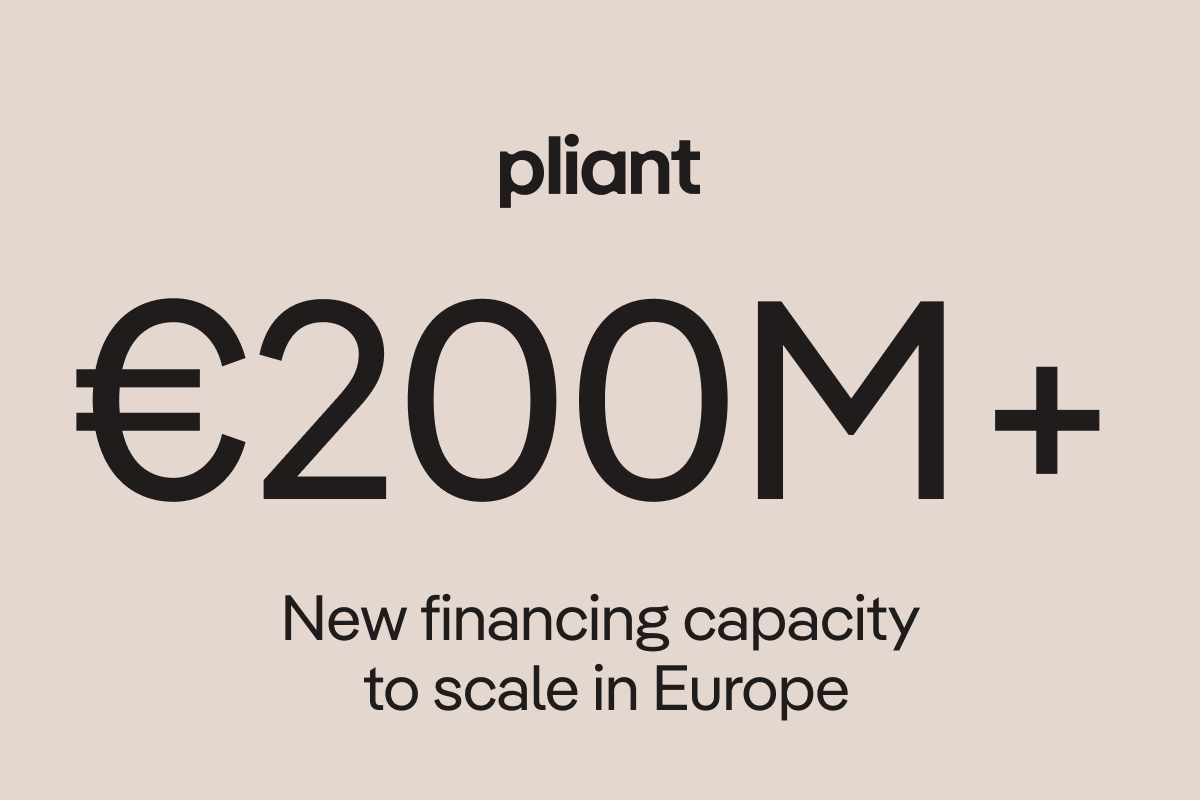
The Berlin-based fintech has arranged three financing transactions with Ascory Bank and Viola Credit to fund corporate card balances and meet Visa settlement liquidity requirements.
Pliant has secured more than €200 million in additional debt financing capacity through three transactions with Ascory Bank AG and Viola Credit. The arrangements will support the company's growing commercial card business and its expansion across Europe.
The financing is designed to address two important requirements of corporate card issuing: funding customer credit balances and meeting card scheme settlement collateral obligations. As payment volumes rise, card providers need reliable access to liquidity to support transactions and customer credit lines.
Two facilities come from Ascory Bank, a long-standing financing partner. The third extends Pliant's existing growth debt facility with Viola Credit. Together, the transactions are expected to support the company's anticipated European growth for at least the next two years.
The announcement follows Pliant's $80 million Series C funding round in November. The combination of equity and structured debt gives the company different sources of capital for international expansion and day-to-day card financing needs.
Three Debt Transactions Expand Pliant's Financing Capacity
The new financing package consists of three separate arrangements. Each addresses a different part of Pliant's commercial card funding requirements.
The first facility from Ascory Bank uses a securitization structure backed by receivables from Pliant's European corporate credit card business.
In this structure, eligible receivables support the financing. This can help a card issuer access funding against amounts owed by its customers. It also links financing capacity to the underlying card portfolio.
The second Ascory Bank facility supports collateral requirements associated with Visa's card settlement process. It uses Visa's Prefunding Solution to help Pliant manage the liquidity needed as card transaction volumes increase.
Card issuers must settle transactions through card networks. They also need to meet applicable collateral and prefunding requirements. These obligations can create significant liquidity demands as payment activity grows.
The third transaction extends Pliant's existing growth debt facility with Viola Credit. The agreement also includes an option to increase financing capacity.
Pliant has not disclosed the individual amounts assigned to the three transactions. It has also not published their interest rates, maturities, or detailed financial terms.
Why Commercial Card Issuers Need More Liquidity
Commercial card businesses require more than technology and customer demand to scale. They also need funding to support the credit they extend to businesses.
When a company uses a corporate credit card, the issuer must manage the payment and settlement process. It may also need to fund the customer's credit balance before receiving repayment.
At the same time, card network settlement creates additional liquidity requirements. Issuers must ensure they can meet their obligations as transactions move through the payment system.
These requirements become more important as transaction volumes and customer credit lines grow.
Pliant's new facilities address both sides of this funding challenge. The receivables-backed structure supports its European corporate card portfolio. The visa-related facility addresses settlement collateral needs. Viola Credit's extended growth debt provides another source of financing flexibility.
This structure illustrates why debt financing can play a central role in scaling payment companies. Equity can fund product development, hiring, and market expansion. Structured debt can support specific assets and operational liquidity requirements.
However, debt also creates repayment obligations and financing costs. The long-term benefit will depend on how effectively Pliant manages its receivables, credit exposure, and transaction growth.
Pliant Builds on Its $80 Million Series C
The latest debt arrangements follow Pliant's announcement of an $80 million Series C round on 4 November 2026.
Seaya Nova and Speedinvest led that equity round. Illuminate Financial, Motive Partners, and Molten Ventures also participated.
Pliant said the Series C would support further international expansion, including growth in the United States and Canada. It would also accelerate development of the company's AI-powered payment infrastructure.
The new debt capacity serves a different purpose. It provides additional funding for the European commercial card business, particularly customer credit balances and card settlement collateral.
Together, the two financing announcements show how Pliant is combining equity investment with structured credit facilities.
The company is headquartered in Berlin and provides modular B2B payment solutions. Its platform combines commercial card issuing, payment accounts, foreign exchange, and spend management.
Pliant says it issues commercial cards in 13 currencies across 32 countries. It serves businesses as well as fintechs, software platforms, and banks that use its payment infrastructure.
Ascory Bank and Viola Credit Extend Their Support
Ascory Bank has worked with Pliant for more than six years, according to the bank's statement accompanying the announcement.
Lukas Diehl, Head of Corporate Clients at Ascory Bank, said the latest financing represents another step in the relationship. He highlighted the growth of both organizations and the importance of their continued collaboration.
Viola Credit is also extending its support through the growth debt facility.
Elad Friedman, managing director at Viola Credit, said the firm would continue backing Pliant as it enters new markets and expands into additional industry verticals.
For Pliant, the two financing partners provide different forms of support. Ascory Bank's facilities address receivables and settlement-related liquidity. Viola Credit provides growth debt with an option to expand the facility.
The company has not disclosed whether it expects to draw the full additional capacity immediately. The announcement describes financing capacity intended to support growth over at least the next two years.
What the Financing Means for European Fintech
Pliant's financing highlights a wider development in B2B fintech. As commercial card providers grow, their funding models must keep pace with transaction activity.
Issuing more cards and extending larger credit lines can increase liquidity requirements. Providers must also manage settlement obligations and the risks associated with customer repayment.
Structured debt can help address these needs without relying entirely on new equity rounds. Receivables-backed financing can connect funding to the underlying credit portfolio. Dedicated settlement facilities can support liquidity linked to card network obligations.
Nevertheless, access to debt does not remove the need for careful risk management. Card issuers must monitor credit quality, repayment performance, and the cost of their funding.
For Pliant, the next test will be how effectively it converts this additional financing capacity into sustainable growth across Europe.
The company's latest arrangements provide a stronger funding base for its commercial card operations. They also demonstrate how specialist lenders and banks can support the financial infrastructure behind expanding B2B payment businesses.
Comments
No comments yet. Be the first to share your thoughts.
Leave a comment