
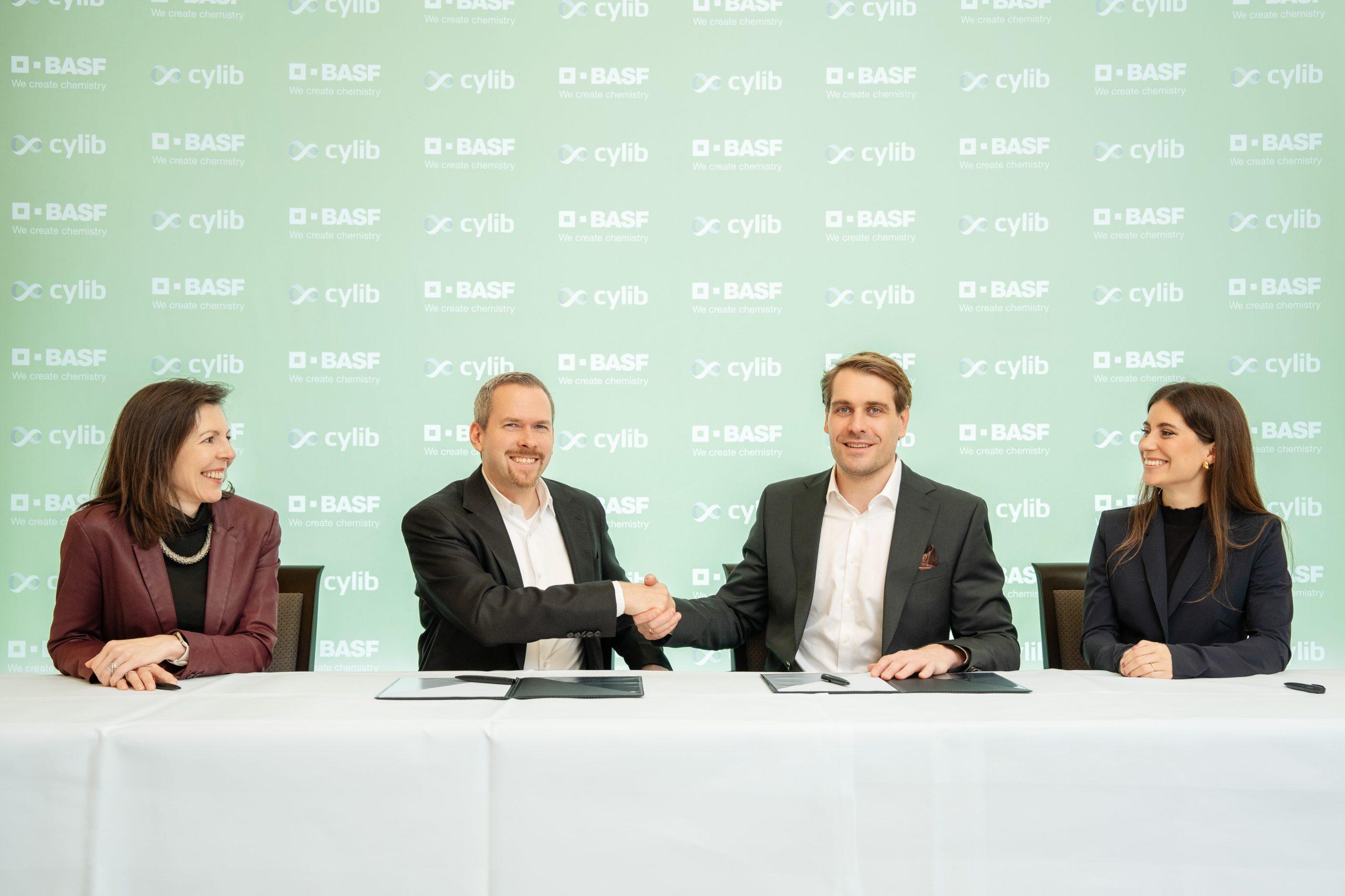
The new Frankfurt base brings more than 80 employees closer to Germany’s banking sector as the combined group expands its regulated crypto infrastructure business.
Boerse Stuttgart Digital has opened a second headquarters in Frankfurt am Main following its merger with crypto trading firm Tradias. The move strengthens the company's presence in Germany's financial center as it targets banks and financial institutions seeking regulated access to cryptocurrencies and digital assets.
The new office is located in the Die Welle building, next to Frankfurt's Alte Oper. It operates as an equal-ranking headquarters alongside the company's existing Stuttgart base.
The combined business employs approximately 300 people. More than 80 employees are based at the new Frankfurt location, according to the company.
The expansion follows the completion of the Boerse Stuttgart Digital and Tradias merger in August 2026. The integration brought their digital asset activities together under the Boerse Stuttgart Group.
Frankfurt becomes a second headquarters.
The Frankfurt office gives Boerse Stuttgart Digital a stronger presence near Germany's major banks, financial institutions, and investment firms.
The company expects this proximity to support its institutional growth strategy. Banks increasingly need infrastructure partners that can help them offer cryptocurrency and digital asset services to customers.
Dr. Ulli Spankowski, co-CEO of Boerse Stuttgart Digital, said the Frankfurt location places the business at the heart of Germany's financial industry. He described the Stuttgart and Frankfurt headquarters strategy as a foundation for further growth.
The new office also brings teams from the combined business together. More than 80 employees now work from the Frankfurt site.
The company will retain its other international locations. These include Athens, Berlin, Dubai, Ljubljana, Madrid, and Milan. Together with Stuttgart and Frankfurt, the network covers eight locations.
The Tradias merger brings trading and infrastructure capabilities together.
The Frankfurt expansion follows the completion of the merger between Boerse Stuttgart Digital and Tradias on 5 August 2026.
The transaction combined two businesses with complementary roles in the digital asset market. Boerse Stuttgart Digital had developed institutional cryptocurrency infrastructure, while Tradidas brought trading expertise and liquidity capabilities.
The combined business operates under the Boerse Stuttgart Digital name. However, Tradidas remains the brand for trading activities.
The merger brought around 300 employees under one business unit. It also aimed to create a broader offering across the digital asset value chain.
The combined capabilities cover brokerage, trading, custody, staking, and tokenization. This gives banks and other financial institutions access to several services through one infrastructure provider.
The business operates under the Boerse Stuttgart Group, which has a long history in European financial markets.
Christopher Beck, Co-CEO of Boerse Stuttgart Digital, said the merger created a stronger foundation for reaching institutional clients. He added that the company wants to become the infrastructure partner of choice for major financial institutions planning crypto services.
Customer demand creates an opportunity for banks.
Boerse Stuttgart Digital is expanding as German consumers show interest in cryptocurrency investment and access through traditional financial institutions.
A Marketagent survey commissioned by the company found that 40% of German respondents intend to invest in cryptocurrencies over the next five years. It also found that 36.5% would consider changing banks to access better crypto offerings.
The company cited the survey to explain why banks need broader digital asset capabilities.
The findings suggest that crypto services could influence how financial institutions attract and retain customers. Banks may therefore look for specialist partners rather than building every trading, custody, and compliance capability internally.
However, the survey results represent stated intentions and potential switching behavior. They do not demonstrate that these consumers will invest or change banks.
The survey was commissioned by Boerse Stuttgart Digital. Its findings should therefore be viewed in that context.
Regulated infrastructure is central to the strategy.
Boerse Stuttgart Digital positions itself as a regulated infrastructure partner for financial institutions. Its offering includes institutional trading and custody services for cryptocurrencies and digital assets.
The company describes its business as MiCAR-compliant. This positioning matters as European institutions assess how to provide crypto services within the EU's regulatory framework.
For banks, working with specialist infrastructure providers can reduce the need to build trading, custody, and operational systems independently. It can also help institutions develop digital asset offerings while retaining their own customer relationships.
The merger with Tradias broadens the combined group's capabilities. The Frankfurt headquarters adds a stronger local presence among potential institutional clients.
Nevertheless, a regulated infrastructure provider does not remove the responsibilities of banks and other financial institutions. Each institution must still assess its regulatory obligations, customer protections, risk controls, and product suitability.
What the Frankfurt expansion means for European crypto infrastructure
The new headquarters is more than a geographical expansion. It follows a major consolidation of digital asset capabilities and supports Boerse Stuttgart Digital's effort to win institutional business.
Frankfurt provides access to a dense network of banks, asset managers, and financial service providers. These institutions are assessing how digital assets fit into their services and how they can meet customer demand.
The combined business now has a larger workforce, a broader service offering, and two equal-ranking German headquarters. Its international offices also provide a base for serving clients across multiple markets.
Competition in regulated crypto infrastructure is likely to depend on more than market presence. Banks will need reliable trading, custody, liquidity, and compliance services. They will also expect clear operational controls and the ability to integrate digital assets into existing financial systems.
Boerse Stuttgart Digital is positioning its merger and Frankfurt expansion around these needs. Its next challenge will be converting that expanded infrastructure into new institutional partnerships and measurable business growth.
Source: Boerse Stuttgart Group announcement, 26 November 2026; merger announcement, 5 August 2026.
Comments
No comments yet. Be the first to share your thoughts.
Leave a comment