
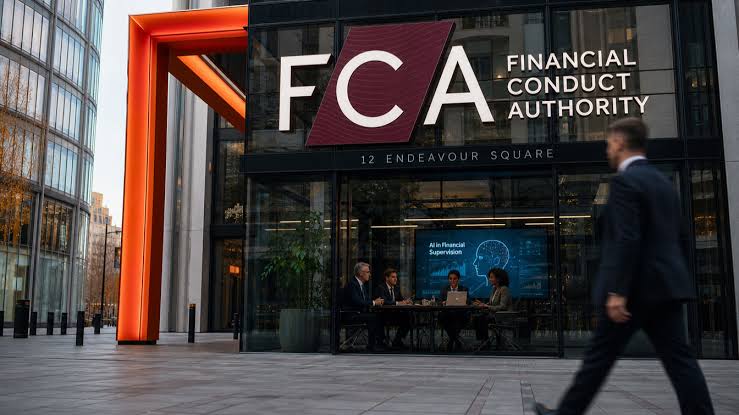
New research finds 33% of UK adults believe they have seen an AI-generated investment promotion, while fewer than four in ten under-35s say they would check FCA authorisation before investing.
28 November 2026
The UK Financial Conduct Authority (FCA) has warned consumers to check a financial firm's authorization before investing. The warning follows a sharp rise in investment fraud reports mentioning suspected artificial intelligence (AI) use.
Reports to Report Fraud mentioning suspected AI rose from 193 in 2024/25 to 956 in 2025/26. That represents an increase of almost 400% in one year. Meanwhile, investment fraud victims lost an average of £28,188 during 2025/26.
The FCA's latest research also reveals a gap between public confidence and actual caution. Although 62% of adults believe they could identify an AI investment scam, fewer than half feel confident spotting an AI-manipulated video or voice recording of a well-known person.
The regulator is therefore urging consumers to use its Firm Checker before committing money to an investment, pension opportunity, loan, or other financial service.
AI Investment Promotions Are Becoming Harder to Trust
The FCA's research found that 33% of UK adults believe they saw an investment promotion using AI during the previous year.
The regulator uses this term to describe AI-generated or manipulated media, including video and audio. Such content can make fraudulent promotions appear to feature genuine endorsements from public figures.
The research highlights a particular weakness in recognizing impersonation. While 62% of adults say they could identify an investment scam involving AI, only 49% believe they could recognize whether a well-known person's video or voice recording had been generated or altered.
Martin Lewis was the person most frequently named by respondents who believed they had seen a fake investment promotion featuring a well-known person.
This matters because a familiar face or trusted voice can make an unfamiliar investment offer appear credible. However, a convincing video does not prove that the person endorsed the product or that the company behind it is legitimate.
Under-35s Face a Significant Verification Gap
The FCA's findings show that younger adults report both higher exposure to suspected AI investment promotions and greater confidence in recognizing scams.
Around 74% of adults under 35 said they could identify an AI investment scam. In addition, 56% believed they had seen an AI-generated investment promotion during the previous year.
Yet only 38% of this age group said they would check whether a firm was FCA-authorised before investing.
The contrast is notable. Among adults aged over 65, around 73% said they would check authorization before investing.
The findings suggest that confidence in recognizing suspicious content does not always translate into a practical verification step. This distinction is important as investment promotions increasingly circulate through social media, video platforms, and other digital channels.
The FCA's survey was conducted by Kantar between 20 and 26 October 2026. It covered 2,558 UK respondents aged 16 and over.
FCA Promotes Firm Checker as a First Line of Defense
The FCA is encouraging consumers to use its Firm Checker to establish whether a business is authorized to provide the financial service being offered.
The tool helps consumers check a firm's regulatory status and the services it is permitted to provide. It also lists firms that the FCA knows are operating without authorization.
Importantly, checking a company name alone is not enough. Consumers should also compare the firm's contact details with those displayed on Firm Checker. This can help identify cases where fraudsters impersonate a legitimate, authorized business.
The FCA maintains the Financial Services Register as its full regulatory record. Firm Checker provides a consumer-focused way to check firms and their permissions.
Sheree Howard, the FCA's executive director of authorizations, said AI makes online scams easier to create and harder for people to identify.
She urged consumers considering investments, pensions, loans, or other financial services to check firms through Firm Checker.
The regulator estimates that consumers have used the tool more than 1.9 million times since its introduction in January 2025.
Following an advertising campaign in January 2026, the FCA reported a 49% increase in its estimated number of consumers protected each week. Its estimate rose from around 464 to 694.
Why Authorisation and Firm Identity Matter
A firm appearing on an official register does not automatically make every investment offer safe. Consumers must confirm that the business is the genuine firm and that its regulatory permissions cover the service being offered.
Fraudsters can impersonate authorized businesses and use similar names, websites, email addresses, or telephone numbers. Therefore, consumers should independently locate Firm Checker rather than relying on links supplied in an advert or message.
Using an appropriately authorized firm can also provide important protections. Authorized firms must meet FCA standards and follow its rules. Consumers may also be able to complain to the Financial Ombudsman Service and could have access to Financial Services Compensation Scheme protection, depending on the product, firm, and circumstances.
However, authorization does not guarantee investment returns or remove every risk. Consumers should still assess the investment itself, understand the risks, and avoid pressure to transfer money quickly.
AI Raises the Stakes for Financial Crime Prevention
The latest warning reflects a wider challenge for financial services. AI-generated media can make fraudulent promotions more convincing, particularly when criminals use public figures or trusted institutions to create a false sense of legitimacy.
Separate figures published by Report Fraud in October 2026 highlighted the scale of the threat. It reported that criminals stole £24.3 million between January and August 2026 through AI-enabled investment endorsement schemes. People aged 60 and over accounted for nearly 80% of reports in that period.
These figures cover a different reporting period and measure from the FCA's annual comparison. However, they underline how synthetic media can support investment fraud and impersonation.
For financial institutions, regulators, and digital platforms, the challenge extends beyond detecting suspicious images or videos. They must also help consumers verify the identity and regulatory status of the businesses asking for their money.
Checking the Firm Should Come Before the Investment
The FCA's warning sends a clear message: consumers should not rely on a convincing advert, celebrity endorsement, or AI-generated video when making financial decisions.
Checking the firm's authorization, verifying its contact details, and confirming its permissions are practical steps before transferring money.
As AI tools make realistic impersonation easier, the ability to verify a financial business through an independent regulatory source becomes increasingly important. The FCA's findings suggest that public confidence alone is not enough. A simple authorization check can provide a stronger starting point for safer financial decisions.
Consumer resource: Use the FCA Firm Checker to check a firm's authorization and contact details.
Comments
No comments yet. Be the first to share your thoughts.
Leave a comment